Books that make you healthier

Reading is healthy

So far I’ve read 5 books on the subject of Intermittent Fasting and one about dangers of sugar. Here comes my short summary of each one of them.

Gin Stephen’s books

First two books I read were by Gin Stephens.

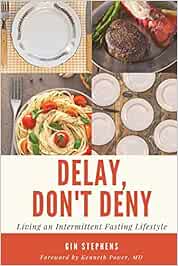
  • Delay, Don’t Deny was her first book on Intermittent Fasting from 2106. What’s interesting about it that it brings Gin’s personal side of things when it comes to fasting.
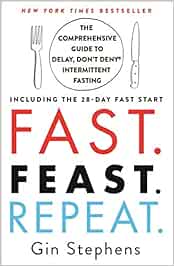
  • Fast. Feast. Repeat was, actually, the first book I read on Intermittent Fasting and it was this book that got me interested in trying this approach. This book is quite recent, it’s from 2020. This book is a little bit different from her first book. It’s less personal and provides more details about the science of why intermittent fasting works. Also this book contains 28 Days FAST Start approach to Intermittent Fasting that Gin came up with.

Dr. Jason Fung’s books

Two other books were by Dr. Jason Fung

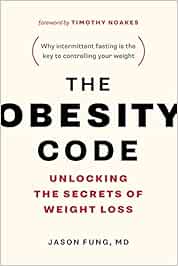
  • The Obesity Code is from 2016, but it’s still relevant and has a detailed explanation about how we get obese and what to do about it. In comparison to Gin’s informal writing style, Jason’s style is a little bit more dry. But it could be because it’s was written by a doctor. Anyway, I liked it too.
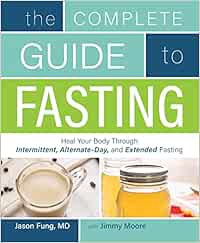
  • The Complete Guide to Fasting was also published in 2016, and this book has very similar content to The Obesity Code, but there are a number of very important differences, which makes it the best of all the books I’ve read so far. First, this book is visually appealing, having lots of colorful diagrams and graphs that help better understand why Fasting works. Second, even though the content is similar to the previous book, it has a better balance between scientific details and user friendly explanations. Third, this book has personal stories of people who used Intermittent Fasting and were able to reverse their Type 2 Diabetes and obesity.

Science can be good for you

The 5th book I read was the book by Prof. Mark Mattson, who is the neuroscientist and biologist. He’s the leading researcher in the field of Intermittent Fasting.

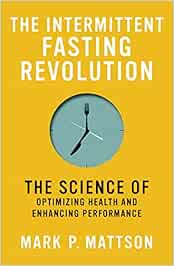
  • The book is The Intermittent Fasting Revolution from 2022. This book is the most scientific out of all previously mentioned, but actually, it wasn’t a dry reading. I liked it very much especially the evolutionary biology explanation of why animals and humans are evolutionary adapted to Intermittent Fasting. Also, Mark himself is practicing Intermittent Fasting and doing 16:8 fasting for decades now and provides his personal advice on the subject.

But not sugar

The last book I finished reading today was a book by journalist Gary Taubes.

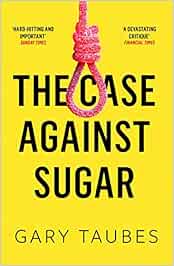
  • The book is The Case Against Sugar, it’s from 2016, but it’s relevant as ever. In it Gary Taubes describes the history of how sugar became such a commodity in our diet and how its consumption that grew to worrisome proportions was a root cause of all diseases related to Metabolic Syndrome. Back in 2016 it was still a hypothesis that sugar is a culprit. Now, it’s proven. Sugar is a poison that works in the long run.

Intermittent Fasting works, 7th week in a row

Photo by Toa Heftiba on Unsplash

A status update after 46 days of fasting (7th week)

  • Since the beginning of the fasting on June 13th, I’ve lost 21.6 lb (9.8 kg) and 4.1 % of body fat following Intermittent Fasting eating pattern.
    Weight changed from 200 lb -> 178 lb (90.6 kg -> 80.8 kg), body fat from 30 % -> 25.9 %.
  • Average fat loss speed 0.5 lb a day.
  • Overall feeling is of lightness and agility.

Now, think for yourself, whether Intermittent Fasting works or not

Resources

I recommend you to check these two video clips about Gin Stephens. Thanks to her book I discovered about Intermittent Fasting.

Video

A short video about Gin Stephens and her Intermittent Fasting story. Actually, she wrote a couple of books about her personal experience with fasting.

This video is from 2018, since then Gin wrote two additional books. I recommend you to read FAST. FEAST. REPEAT. It is actually, quite cheap at Amazon.

A recent interview with Gin Stephens

Intermittent Fasting results. End of 6th week.

Photo by Nathan Dumlao on Unsplash

Up to date results

This post is a continuation of the first post where I talked about how intermittent fasting can help reduce weight and reported about my progress. Today I will provide some status updates.

The projected weight and body fat for the 5th week were

  • 84.1 kg (185.4 lb), and 27 % respectively. What actually happened check in the table below.

My current weight as of 2022-07-22 is 81.3 kg (179.2 lb) and body fat 26.2 %.

The projected weight and body fat for the beginning of 7th week are

  • 80.7 kg (178.35 lb), and 25.9 % respectively.

WeekFast hoursEating window hoursWeightFat percentageWaitsWaist to height ratioBMI
116890.6 kg (199.7 lb)30 %N/AN/A27
217787.6 kg (191.8 lb)28.7 %100 cm0.5526.4
318686.6 kg (190.9 lb)28.3 %99 cm0.5426.1
419585.1 kg (187.6 lb)27.7 %98 cm0.5425.7
519584 kg (185.2 lb)27.3 %95 cm0.5225.4
6
Jul 22
204Current weight
81.3 kg (179.2 lb)
26.2 %
720480.7 kg (178.4 lb)25.9 %

Some math

By the way, in accordance with the book The Complete Guide to Fasting by Dr. Jason Fung the average daily body fat loss is about 1/2 pound, which is about 0.23 kg. I see exactly this thing happening.

What I observe is

  • The slope of the fat loss line is – 0.5 pound/day.
  • Also 0.1 % of body fat loss a day corresponds to 0.5 pound loss a day. This is how I was able to project the values of weight and body fat loss.

Good resources to reference

Books

Since the beginning of the fasting I’ve finished reading all the books I recommended in this post, except for The Case Against Sugar.

Meanwhile, I bought another one on the subject. The book is Metabolical by Dr. Robert Lustig, which I recommend.

Videos

Practical Fasting: The Use of Therapeutic Fasting in a Clinical Setting by Megan Ramos.

The BITTER TRUTH About Sugar & How It’s DESTROYING Your Health by Dr. Robert Lustig.

Good resources on Intermittent Fasting

It has been a month since I’ve started to do Intermittent Fasting. In the previous post I’ve mentioned what were the results so far. In this post I want to partially repeat the references to helpful resources on Time Restricted Eating, also known as, Intermittent Fasting and provide new ones.

Books

I’ve already finished reading books by Gin Stephens and The Obesity Code by Jason Fung. Now I’m in the middle of the book by Mark Mattson. Next one is Gary Taubes’ book and then The Complete Guide to Fasting.

image source Amazon
image source Amazon
image source Amazon
image source Amazon
image source Amazon
image source Amazon

Lectures at YouTube

Interviews

Peer reviewed scientific papers

Intermittent Fasting helps reduce weight

Photo by حثل on Unsplash

Disclaimer:

Do not try intermittent fasting if you are

  • a pregnant woman
  • a breastfeeding woman
  • underweight person
  • a child under 18 years old
  • has a medical condition that requires consultation with a doctor

And so it begins

In this post I want to report some interesting consequences of trying to follow Intermittent Fasting regimen to become slimmer and healthier.

For about 10 years, I’ve weighted about 90 kg (198 lb). In 2018 I’ve tried to follow the low carb diet promoted in the The 4-Hour Body book by Tim Ferris, but without any success. Since then I felt no urgency to lose weight and become a slimmer person, but I wanted to do it eventually.

A mere happenstance caused me to discover Intermittent Fasting approach. It turns out that our family doctor advised my wife to read Fast. Feast. Repeat book by Gin Stephens to lower high blood sugar level. I’ve ordered the book on Amazon at my wife request. But to my surprise she didn’t read it. Since I value books a lot and also do not want to waste money on unread books, I decided to give that book a try. Boy, was I surprised. The book was interesting to read and it contained just enough information on the benefits of intermittent fasting and advice on how to start. Gin suggest to try 28-Day FAST Start method to get used to fasting. Indeed, that was the approach I’ve tried. As I write this post, it is the 26th day of the that approach to fasting. In accordance with her advise I am following this regimen

DaysFasting hoursEating window hoursMeal type and count
1 – 7168lunch, dinner
8 – 14 177lunch, dinner
15 – 21186lunch, dinner
22 – 28195snack or lunch, dinner

Where:

  • Fasting Hours stands for how many hours I do not eat anything except for drinking water, black coffee (no milk or sugar) or tea (no milk or sugar).
  • Eating window hours stands for the hours where I have two meals. I try, quite successfully, not to have any snacks between the meals.
  • Meal type and count is self-explanatory.

Below I provide some initial results for past four weeks, and the projection for the fifth week that starts on Monday, July 11th.

Where projected values are in Italics.

WeekFast hoursEating window hoursWeightFat percentageWaitsWaist to height ratioBMI
116890.6 kg (199.7 lb)30 %N/AN/A27
217787.6 kg (191.8 lb)28.7 %100 cm0.5526.4
318686.6 kg (190.9 lb)28.3 %99 cm0.5426.1
419585.1 kg (187.6 lb)27.7 %98 cm0.5425.7
519584.1 kg27 %97 cm0.5325.4

Good resources to reference

Gin mentioned in her book a number of valuable resources to reference. I recommend you to check

  • Jason Fung, MD website and his book The Obesity Code. I read it and it provides more scientific details of why fasting works and how it works to treat obesity and Type 2 Diabetes. He also authored another book which is quite colorful and interesting at the same time: The Complete Guide to Fasting.
  • Prof. Mark Mattson is one of the founding fathers of Intermittent Fasting research and has written recently The Intermittent Fasting Revolution book.

Useful tools for video and audio editing

If you have your own YouTube channel or just make video or audio recordings using your mobile phone, it is good to know that there are editing tools that can help you remove undesired artifacts from recordings. For example, in an audio recording you’d probably want to remove or at least reduce a background noise. In a low resolution video you’d possibly want to have a better picture quality by making resolution higher if possible. Also, when you find a YouTube video that you think could have a better audio or video quality and this video has a Creative Commons Attribution license then you could download it, edit and upload again to YouTube. This post is exactly about such editing tools, or at least tools that I use myself and find very helpful. Most of them are free open-source tools except for video editing software.

Audio editing

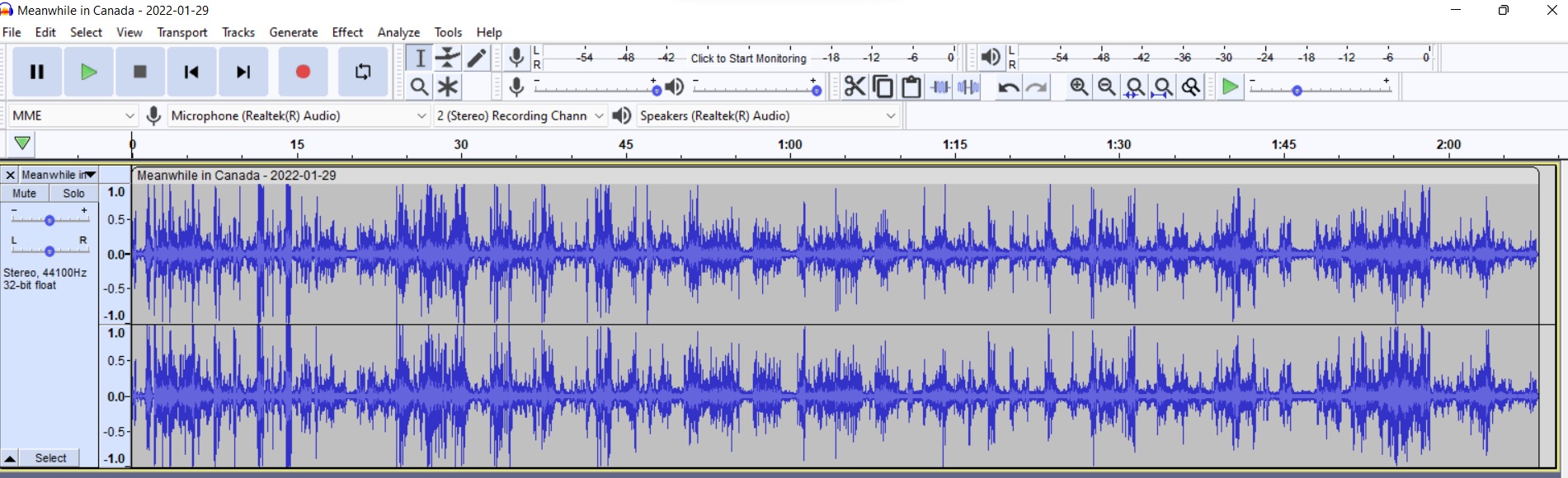
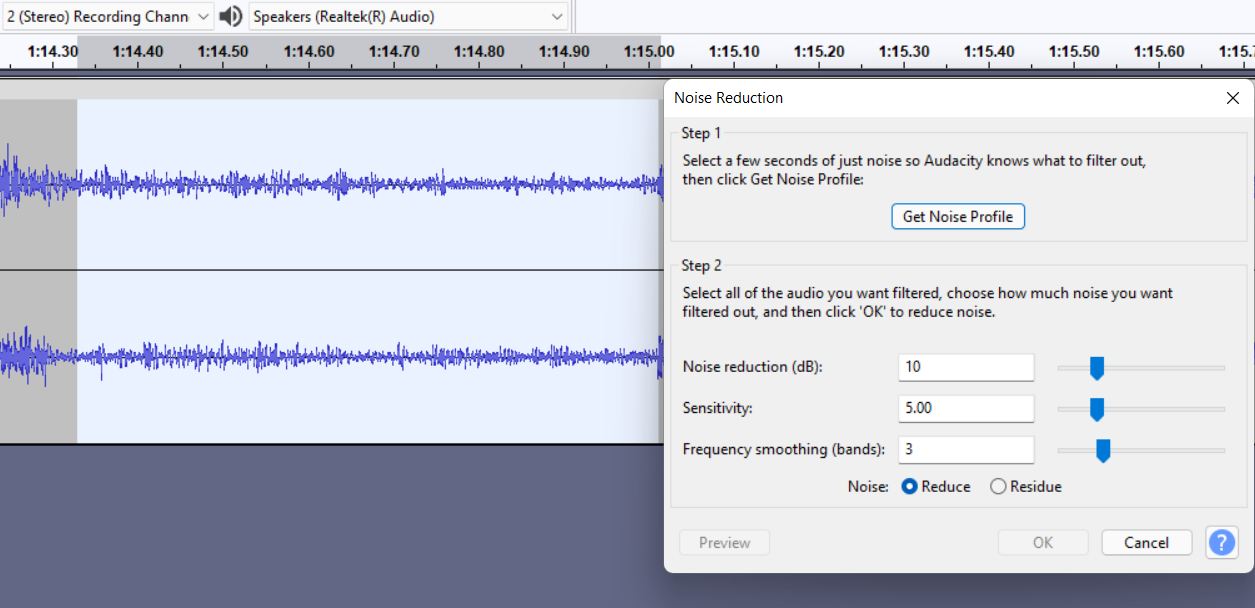
Suppose, you have voice recordings that have a background noise. It would be nice to reduce it as much as possible without affecting the overall quality of the recording. There is a free tool that can do this and much more. It is called Audacity. Audacity is free and open-source professional grade digital audio editor and recording application software, available for Windows, macOS, Linux, and other Unix-like operating systems. I personally, use it to record myself playing drums. For this purpose I use two microphones and a two channel Behringer sound interface. After the recording was done I use Audacity to compress the recording and export it as mp3 file. But one of the features that is relevant to this post is the Noise Reduction functionality.

Real Life Example – Removing humming noise from Hamming’s lecture

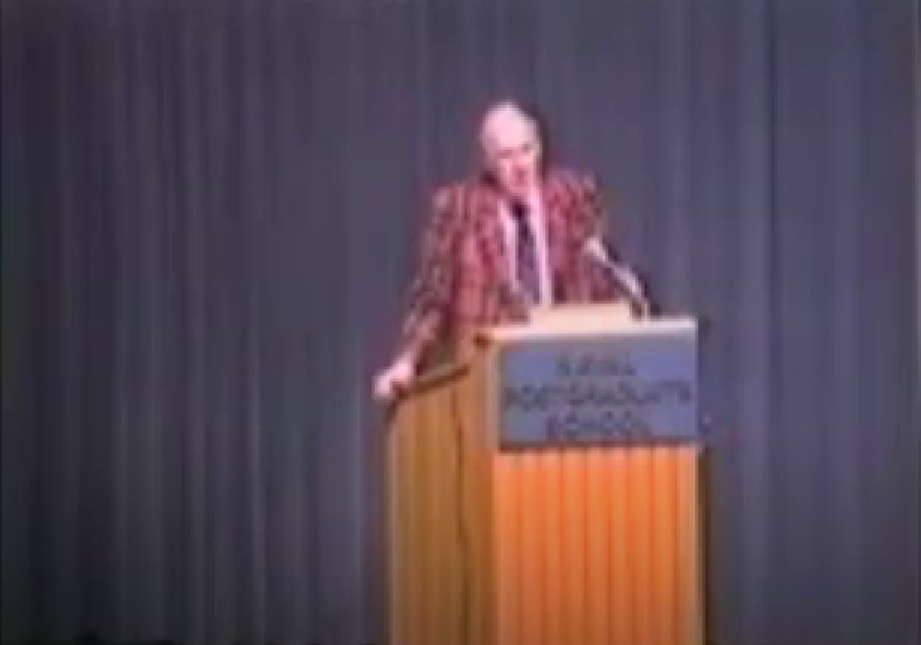
For example, I used the Noise Reduction functionality in Audacity to remove background humming noise from the Dr. Richard Hamming’s 1990 lecture at NPS SGL. 

To do this I

Video editing – Super-resolution

Sometime videos can have a very low resolution, especially when they were recorded with old recording hardware, like old fashioned video cameras etc. But there is a solution to this problem which is called technically a super-resolution or upscaling. It allows to improve the resolution of the video by smoothing the pixels based on surrounding pixels. There are a number of implementations for an upscaling algorithms. Some of them like video2x upscaling software uses Deep Learning based upscaling implementation, for instance, NCNN implementation of waifu2x converter. Check out the GitHub repository of the video2x to learn how to use it.

Real Life Example – Upscaling Alexander Stepanov’s talk

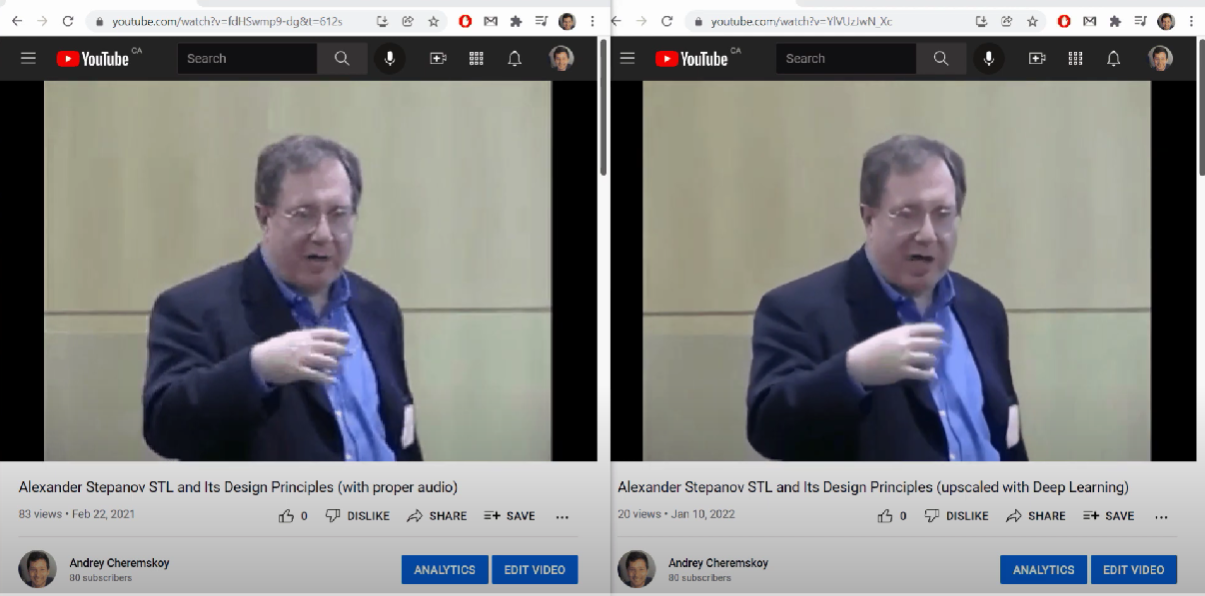
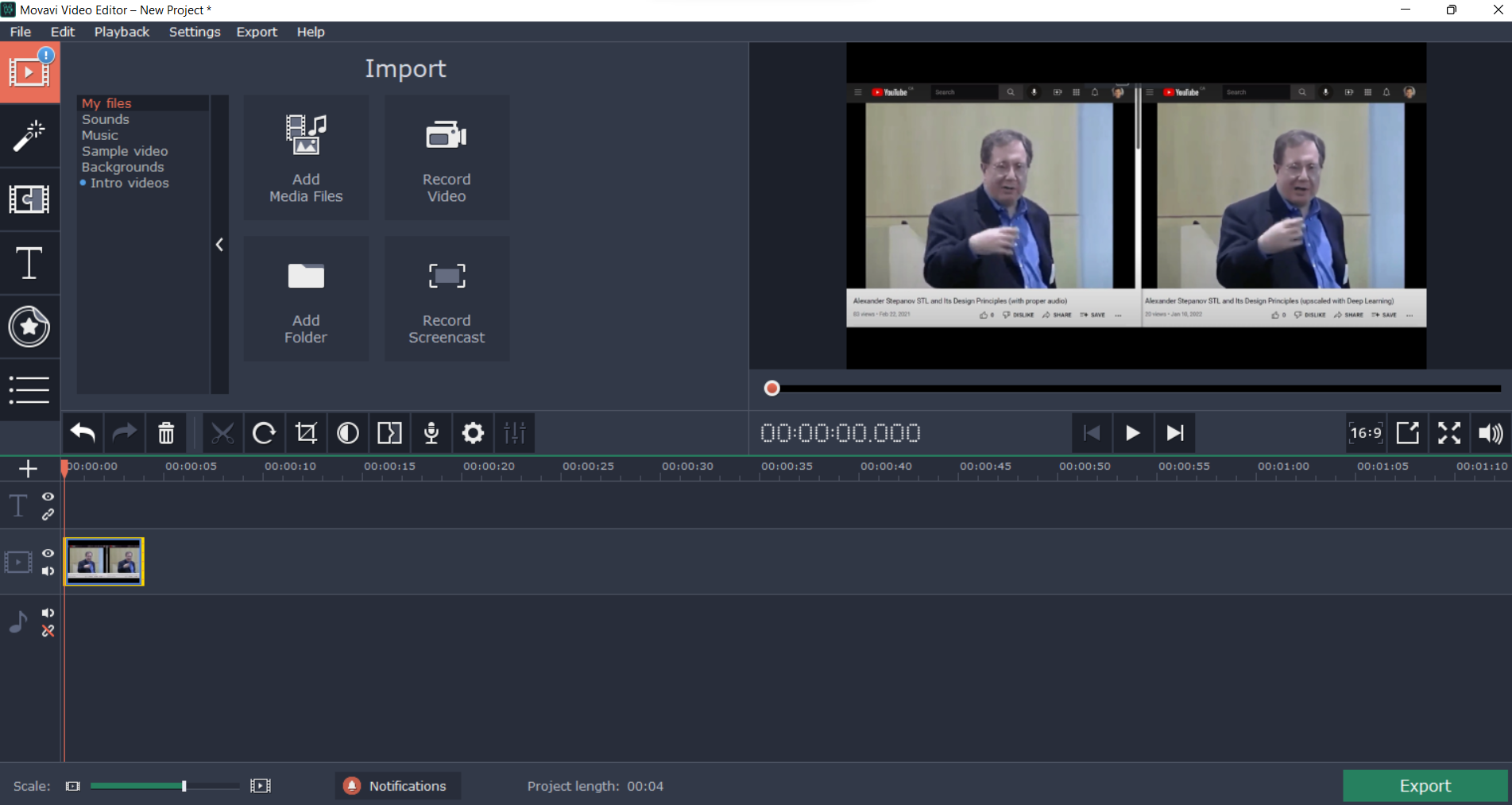
For example, I used the video2x upscaling software based on Deep Learning model to upscale Alexander Stepanov: STL and Its Design Principles lecture from 320×200 to 640×400 resolution.

To do this I

  • Downloaded the original video (Creative Commons Attribution license (reuse allowed)
  • Used Audacity to add right mono channel to the original audio track which had only left mono channel available.
  • Used video2x software ran on a PC with Nvidia GPU to upscale the video from 320×200 to 640×400 resolution. Which took about 14 hours to process on that PC)
  • Used Movavi Video Editor to combine fixed audio track with the upscaled video
  • Uploaded upscaled video to YouTube.

You can try to play with the waifu2x Deep Learning powered upscaling website by uploading low resolution images and seeing the result by yourself.

Video editing

There are a number of free video editing tools out there, but from what I’ve seen the most useful ones that provide you with all required editing functionality are paid. And there is no workaround it. So I found this relatively inexpensive Movavi Video Editor software that I bought and use for all my video editing. Since I use mostly basic video editing, this tool suits me good. But if you are looking for more advanced capabilities, than you should check other versions of Movavi products or a different editor altogether.

How to download YouTube video for editing

If the YoutTube video has a Creative Commons Attribution license (reuse allowed) license you can use the video and edit it. There are non criminal ways to download such videos from YouTube.

Reading hundreds of books makes you a different person

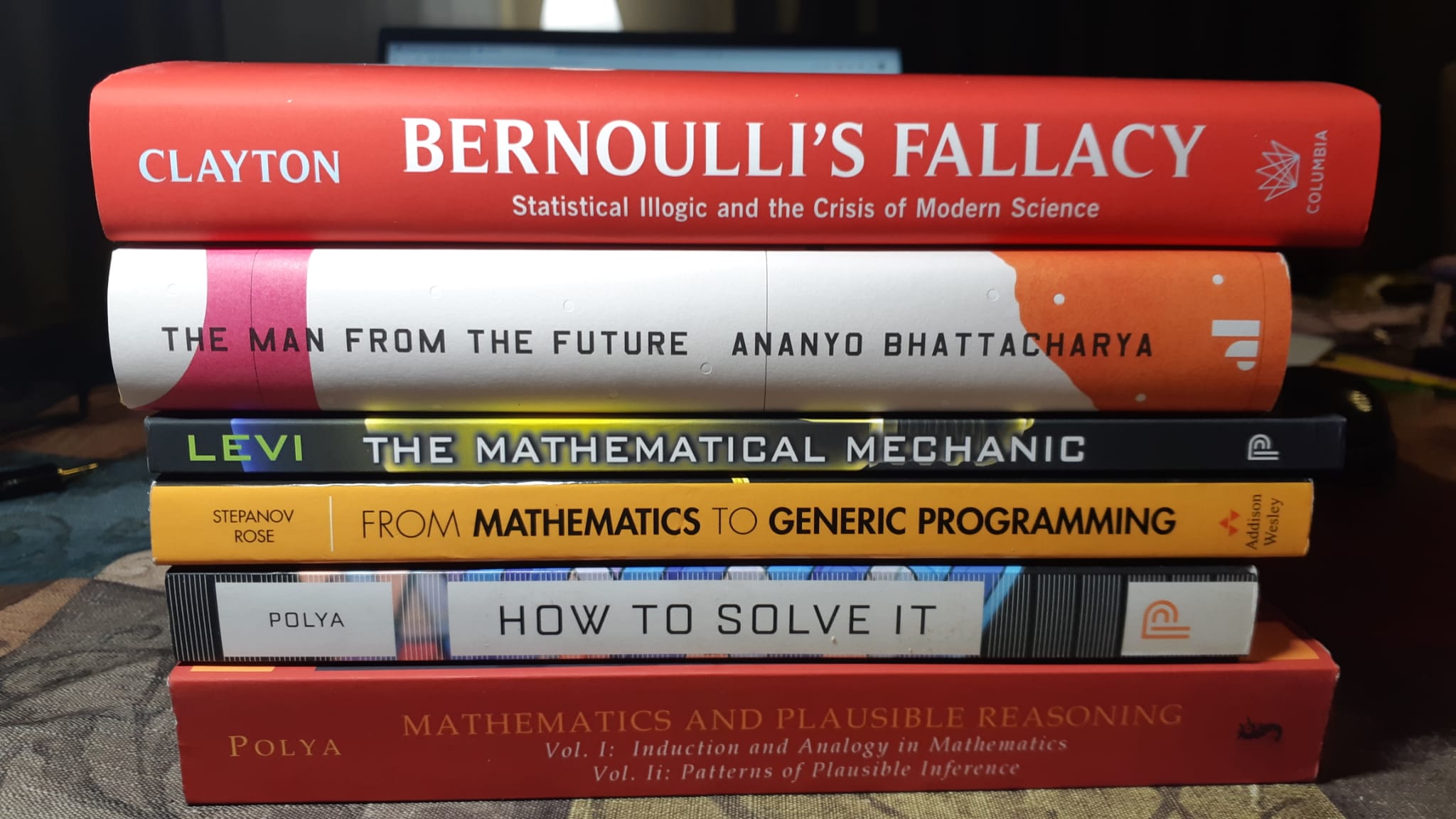
This post is a summary of the hard copies of the books I read and recommend to read if you have similar interest as I do.

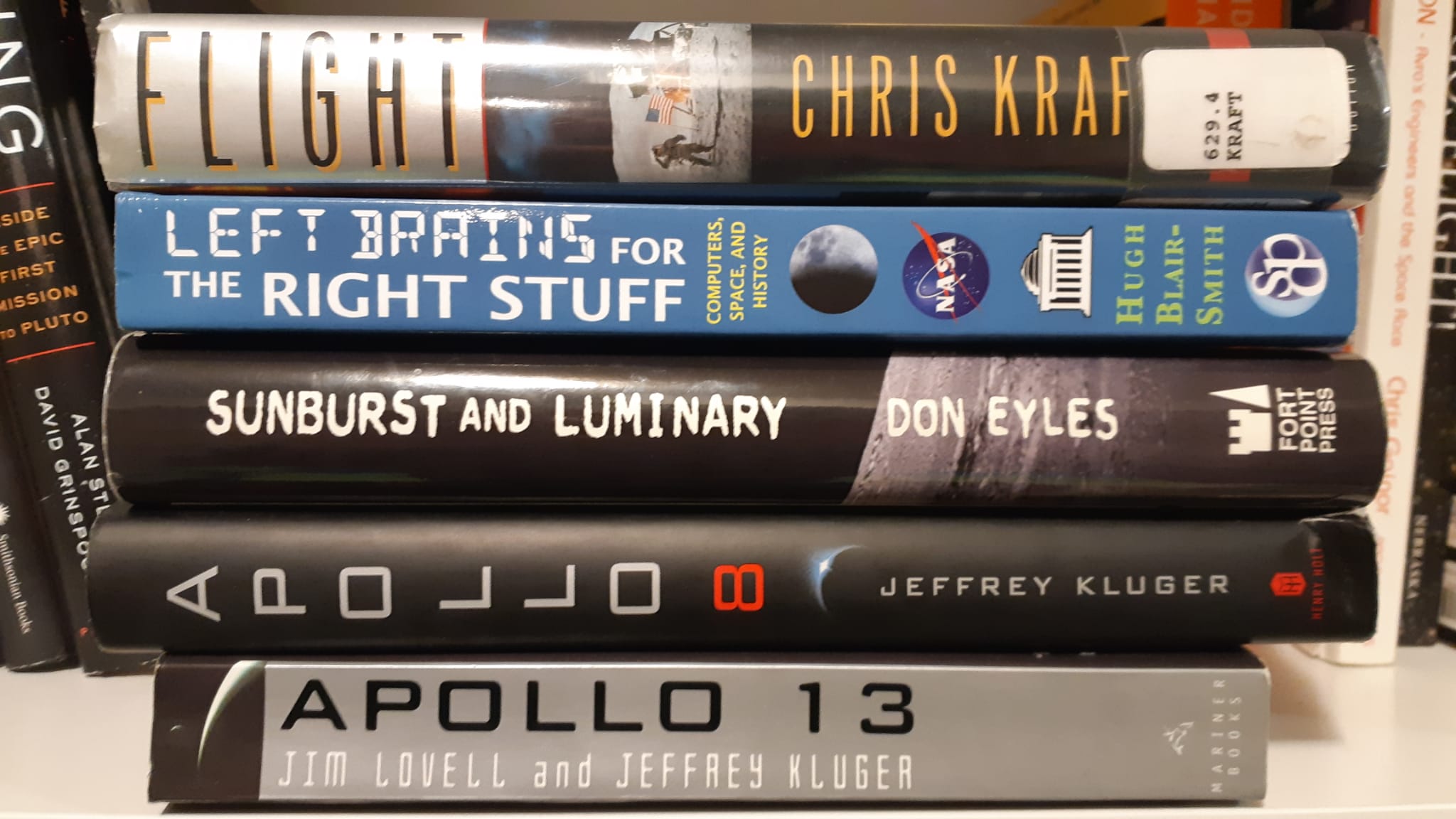
Exceptionally good books about Apollo Lunar Program

  1. Flight – Chris Kraft
  2. Left Brains for the Right Stuff – Hugh Blair-Smith
  3. Sunburst and Luminary – Don Eylse
  4. Apollo 8 – Jeffery Kluger
  5. Apollo 13 – Jim Lovell and Jeffery Kluger
  6. and much more here

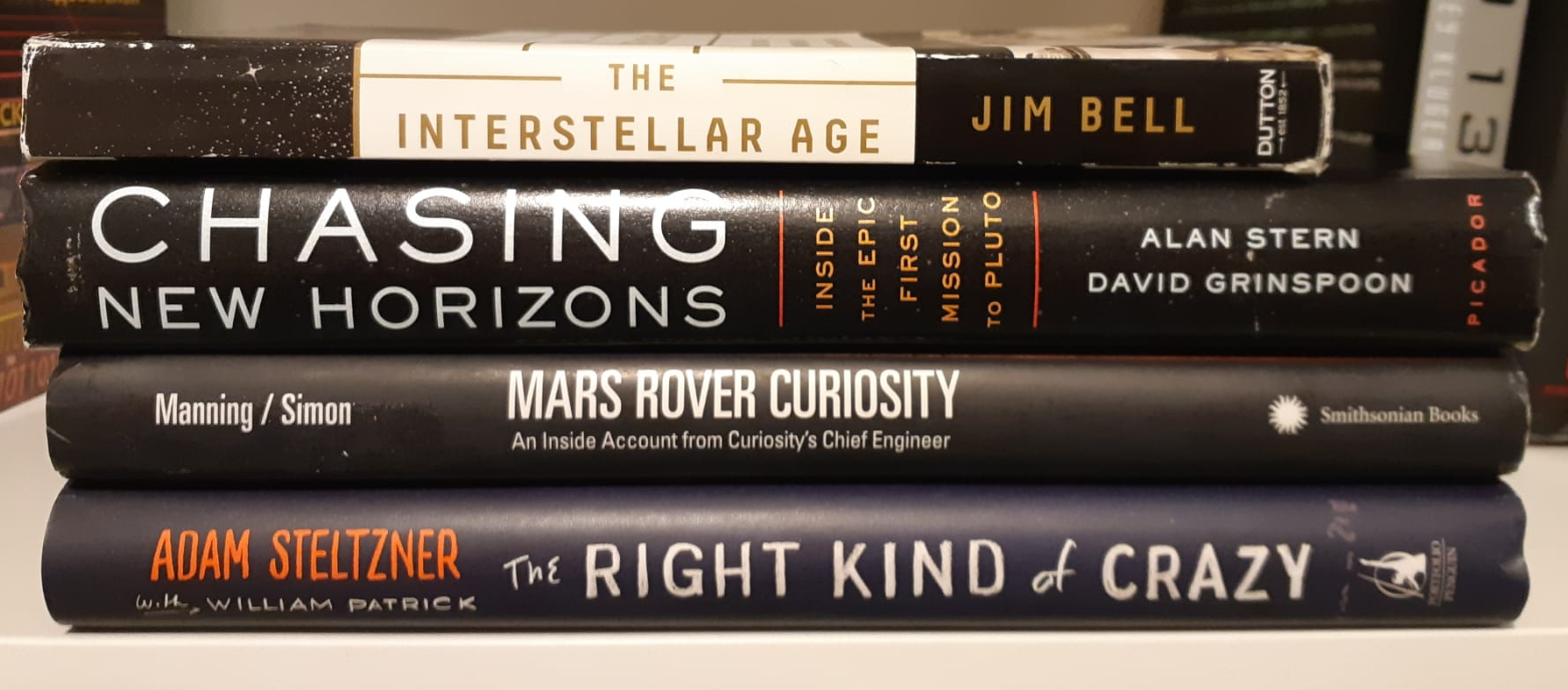
Exceptionally good books about Deep Space Exploration

  1. Interstellar Age – Jim Bell
  2. Chasing New Horizons – Alan Stern and David Grinspoon
  3. Mars Rover Curiosity – Rob Manning
  4. The Right Kind of Crazy – Adam Steltzner
  5. and much more here

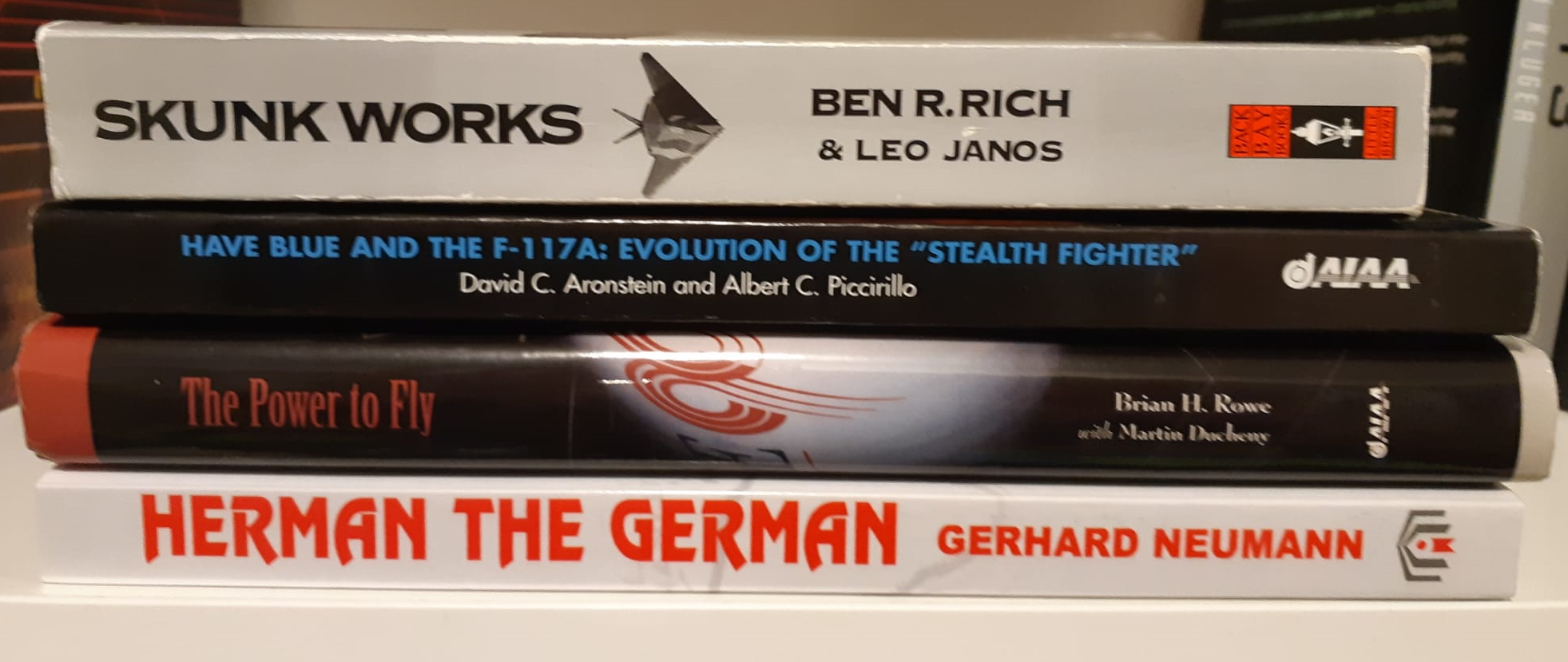
Exceptionally good books about Aviation

  1. Skunk Works – Ben R. Rich
  2. Have Blue and the F-117: Evolution of the “Stealth Fighter” – Albertt C. Piccirillo and David C. Aronstein
  3. The Power To Fly – Brian H. Rowe
  4. Herman The German – Gerhard Neumann
  5. and much more here

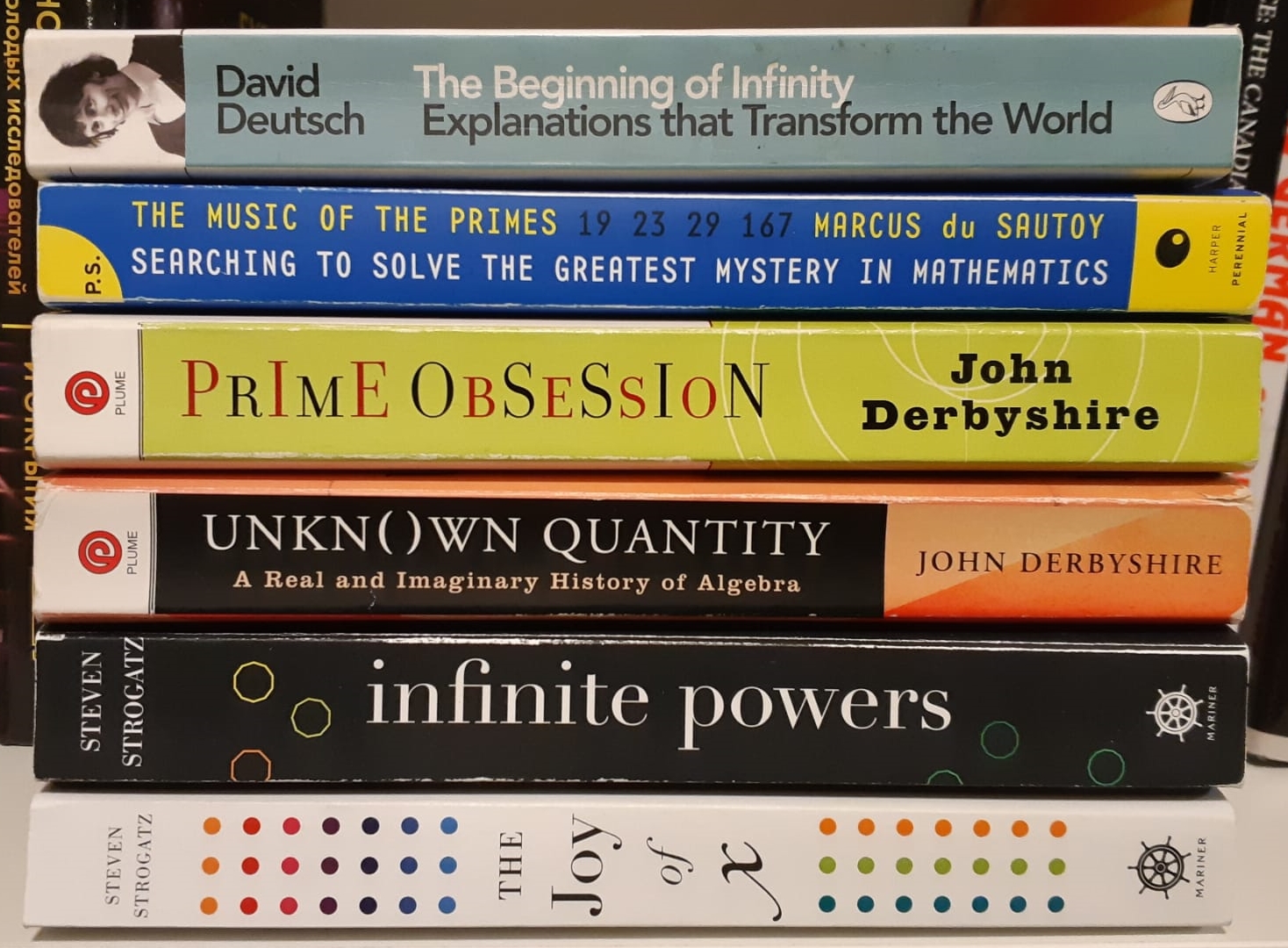
  1. The beginning of Infinity – David Deutsch
  2. The Music of the Primes – Marcus du Sautoy
  3. Prime Obsession – John Derbyshire
  4. Unknown Quantity – John Derbyshire
  5. Infinite Powers – Steven Strogatz
  6. The Joy of x – Steven Strogatz
  7. and much here and here and here

Exceptionally good books about Neuroscience

  1. Mind and The Cosmic Order – Charles Pinter
  2. On Intelligence – Jeff Hawkins

It’s a kind of magic. How kids can have fun with math.

The title of this post can seem strange to you. What mathematics has to do with magic? In my opinion, it depends on what feelings you took from math lessons at school, college or university. There are people who were frightened by math or bored by it. But there were also a lucky few who were able to spot something beautiful about math on their own or thanks to a good teacher. There’s another approach when math lessons cannot do the trick for you. Genrich Altshuller didn’t call it magic, but an encounter with a miracle. In the book How to become a genius. Life strategy of a creative person by Altshuller and Vertkin they mentioned that creative people at an early age encountered a miracle that heavily influenced their trajectory in life. If we take mathematics as an example, showing a kid that mathematics isn’t a boring, but actually interesting field to participate in can be such a decisive encounter with a miracle. And it seems to me the best way to appreciate the beauty of mathematics is by actually doing it.

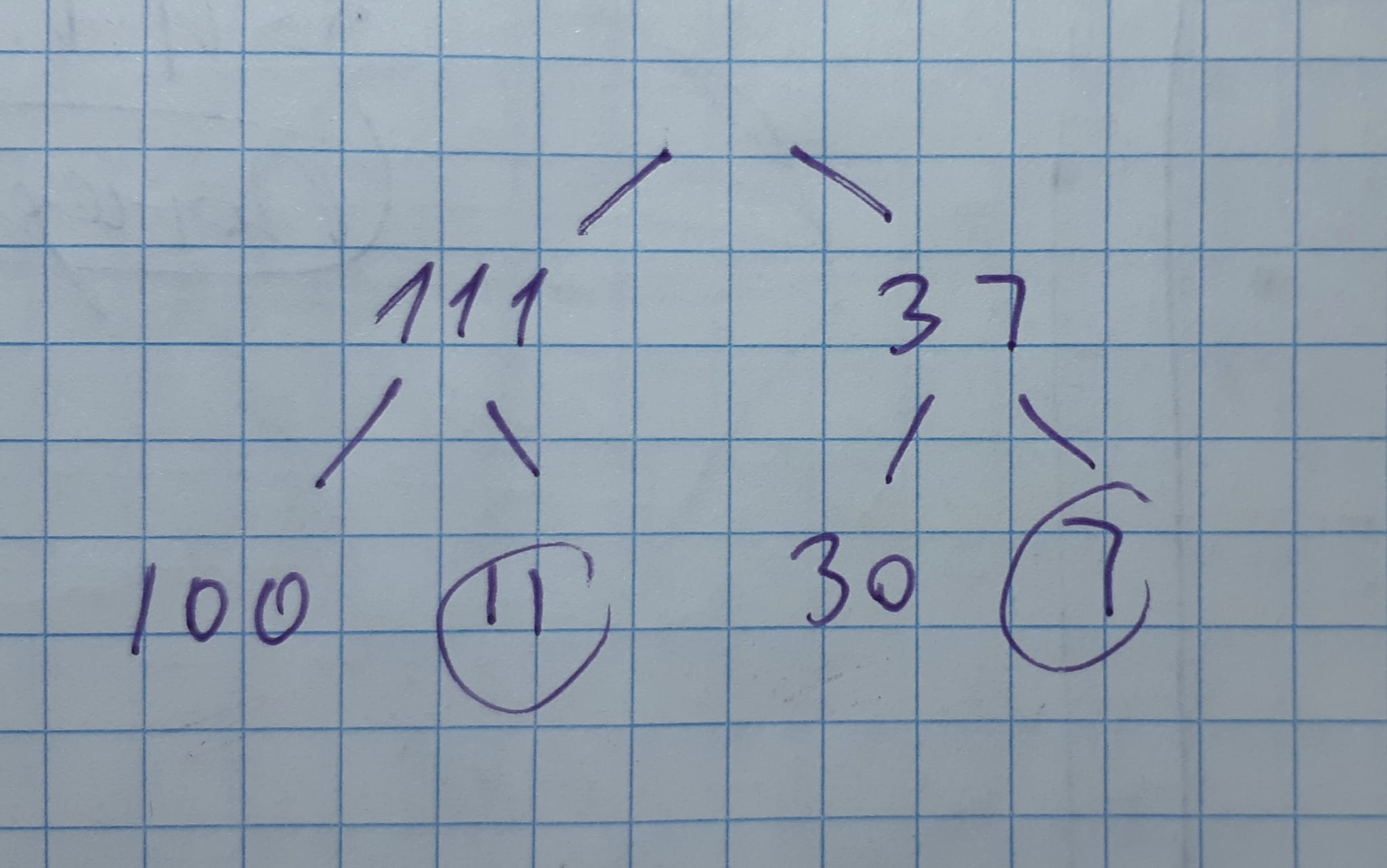
To organize such an encounter for my daughter, I suggested her to create a YouTube Kids channel about mathematics for kids where she can upload videos on mathematics that kids can understand and relate too. She agreed and with a little help from me she was able to create two videos already. One about square numbers, that as their name suggest, have a shape of a square. Another one about a visual way of depicting the addition of two numbers that third graders are tasked to do at school. Let’s take for example, 111 + 37. It turns out that before kids start using column method addition it’s difficult for them to find the right answer. Using binary trees can visualize the composition of the two numbers and help a kid in summing these numbers together.

One interesting aspect of creating such short video clips is that it encourages a parent and a kid to work together to be ready to present the topic clearly in a way that a kid can understand what the video is about. Also, teaching something is one of the best ways to understand it yourself. One additional thing to mention is that the videos in the channel can cover topics that are not explained at school at all or taught only in upper grades, which provides a kid with an advantage of an early exposure to advanced and interesting mathematical topics.

This way of introducing kids to mathematics has a promise of removing boredom and rut repetition of solving similar exercises and shows kids that math has more to it than how it’s usually taught at school.

Kids can spot mistakes in math books too

Read as if you edit

Previously, in one of my posts I wrote that I tend to read books as if I proof-read or edit them. There are a number of advantages in doing so. For example, reading books end to end ensures deeper understanding of the content. Attempting to solve each exercise in a book is also a positive thing to do, because even if you do not solve it, you can get a valuable insight just because you tried hard to solve an exercise. When you follow this advice, after a book or two this starts to happen automatically to you and you can’t help, but spot spelling mistakes, wrong diagrams used or mistakes in formulas etc.

To see a real example of the above suggestions let’s look at the All Things Being Equal book by John Mighton founder of the JUMP math teaching method. This book is not a math textbook, but a book about how math can be taught to kids. The main idea is that math can be taught to an average person and it doesn’t take a genius to like math and be productive in it. There are a number of exercises that John Mighton provides in the book to showcase his approach of teaching math at school. I’ve tried each one of them and lo and behold found a number of mistakes in the book. One mistake was spotted by my daughter. And this is exactly what I want to write about next.

Some concrete examples

I’ve got a softcover edition of the book, ISBN 9780735272903. On page 201 of this edition John Mighton provides an example of how a simplified Sudoku version can be accessible and enjoyable to kids. The regular Sudoku puzzle 9 by 9 cells looks as follows. Each row and column in the table below should contain all of the digits from 1 to 9, when no digit can appear more than once.

A simplified version is 4 by 4 cells, which is easier for kids to start to play with. Now, I’ll provide all four puzzles on the page 201 of the book.

Puzzle #1

This puzzle is solvable, so let’s move on to the next

Puzzle #2

This puzzle has a mistake in it. Try to find it yourself or jump to the end of the post for an answer.

Puzzle #3

It’s solvable. Move on.

Puzzle #4

This puzzle has a mistake in it and my daughter, who was in Grade 2 at the time, was able to spot the mistake.

Pay attention, that there cannot be a duplicate value on any row, column in the table.

Closure

When you spot and collect a certain amount of mistakes it’s good to inform an author of the book or a publisher about them. Usually, authors are grateful if you report mistakes to them and it could even result in a friendship or a nice communication with them.

It wasn’t the case with All Things Being Equal where there was no response when I sent the errata to the JUMP Math contact email. So I sent an email directly to the Vintage Canada who is the publisher of this book.

So take care and report mistakes, who knows where it will take you.

Answer to the Puzzle #2

Chasing New Horizons is the book you’ve never heard about

Have you ever heard about New Horizons spacecraft? Did you know that it flew by dwarf planet Pluto in 2015, which was never been done before? Did you know that in 2018 it visited a Kuiper Belt Object Ultima Thule, now officially known as Arrokoth? If you answered no to any of these questions and you are interested in deep space exploration then you may find this post interesting.

The post is a short review of the book Chasing New Horizons : inside the epic first mission to Pluto. If you already read other books on the subject, then this one could resemble to you The Interstellar Age by Jim Bell or The Right Kind of Crazy by Adam Steltzner. If not, then buckle up and lift off!

Back in 2015 Pluto was still a dwarf planet that little was known about except its orbit, its approximate mass and volume, and composition of its atmosphere. No space mission had visited it before, though one of the Voyager probes was planned to visit it, but it didn’t happen. In 2015 with a flyby of the New Horizons spacecraft, Pluto has revealed its secrets and new exciting data became available to scientists and a larger audience.

The book Chasing New Horizons is all about telling the story of how this flyby became a reality and how dedication and perseverance of a group of relentless planetary scientists, engineers and space enthusiasts put their careers on a line to make this happen. It was written by Dr. Alan Stern who was a Principal Investigator (PI) behind New Horizons mission and Dr. David Grinspoon, an astrobiologist, who also took part in the mission. It tells the story of how the mission was conceived back in late 80’s of the previous century, how it took about 27 years from an idea to its implementation and what obstacles the team had to overcome to make it a reality.

What I liked about the book

As I’ve already mentioned in my other post, I find the that the most interesting books are books written not by journalists, but by actual scientists, engineers, project managers and others, who were there, who made the decisions, who first hand experienced what happened before their own eyes.

This book stands out in comparison to similar ones about space, since it is able to engage readers in an exciting story of exploration of new horizons despite the hurdles emerging almost daily along the way, that would prevent other people from proceeding forward. I like how the NASA’s inner politics, engineering tradeoffs and solutions to emerging problems were described in detail in the book. This way a reader gets a better context of how the events unfolded and why.

Significant part of the books is also dedicated to describing day-to-day activities, such as mission planning, spacecraft housekeeping that were carried out to support the ongoing New Horizons journey to Pluto. By providing these details authors made it feel like you actually were there in mission control room observing what had happened in a real time.

All in all, books like this make you appreciate what we people are capable of when we are driven by high goals of exploration, knowledge advancement and pure joy of adventures. And such books make you crave for more.

References