This post was written by a human.
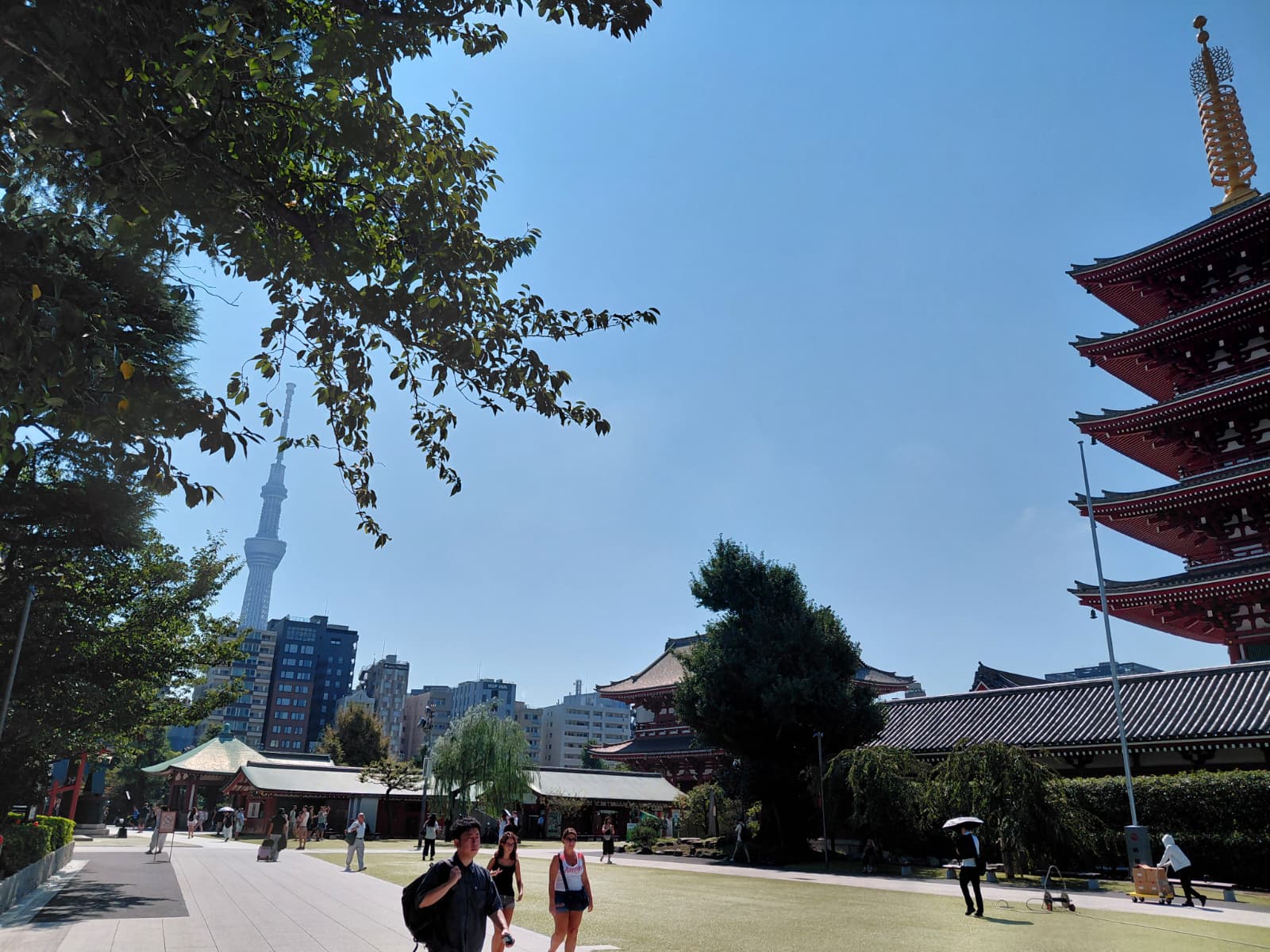
In late August my family and I visited Japan for the first time. I cannot say that we actually planned to visit Japan, since not all of us are crazy about it, but speaking for myself I wanted to visit it one day. I think it all started back in my childhood when I first saw Chinese characters and was intrigued by them. Then martial arts and movies about them were quite a few back in 80’s-90’s. Then I myself practiced Kyokushinkay Karate Do and other martial arts. This partially influenced me to enroll into East Asian Studies and Linguistics at the university. In the end I switched to engineering, but I had a chance to take courses on India, China and Japan cultures and Japanese language which I studied for a year and a half.
This brings me to these days. A couple of years ago I wrote a post about OHTO GS01 pen that I bought at the time. I very much liked it, but after visiting Japan I met a new love there OHTO GS01-05 roller gel pen, which felt as a right fit right away. The pen below feels solid in hand. It writes smoothly even though it has a 0.5 mm needle tip. And it’s a pleasure to use.
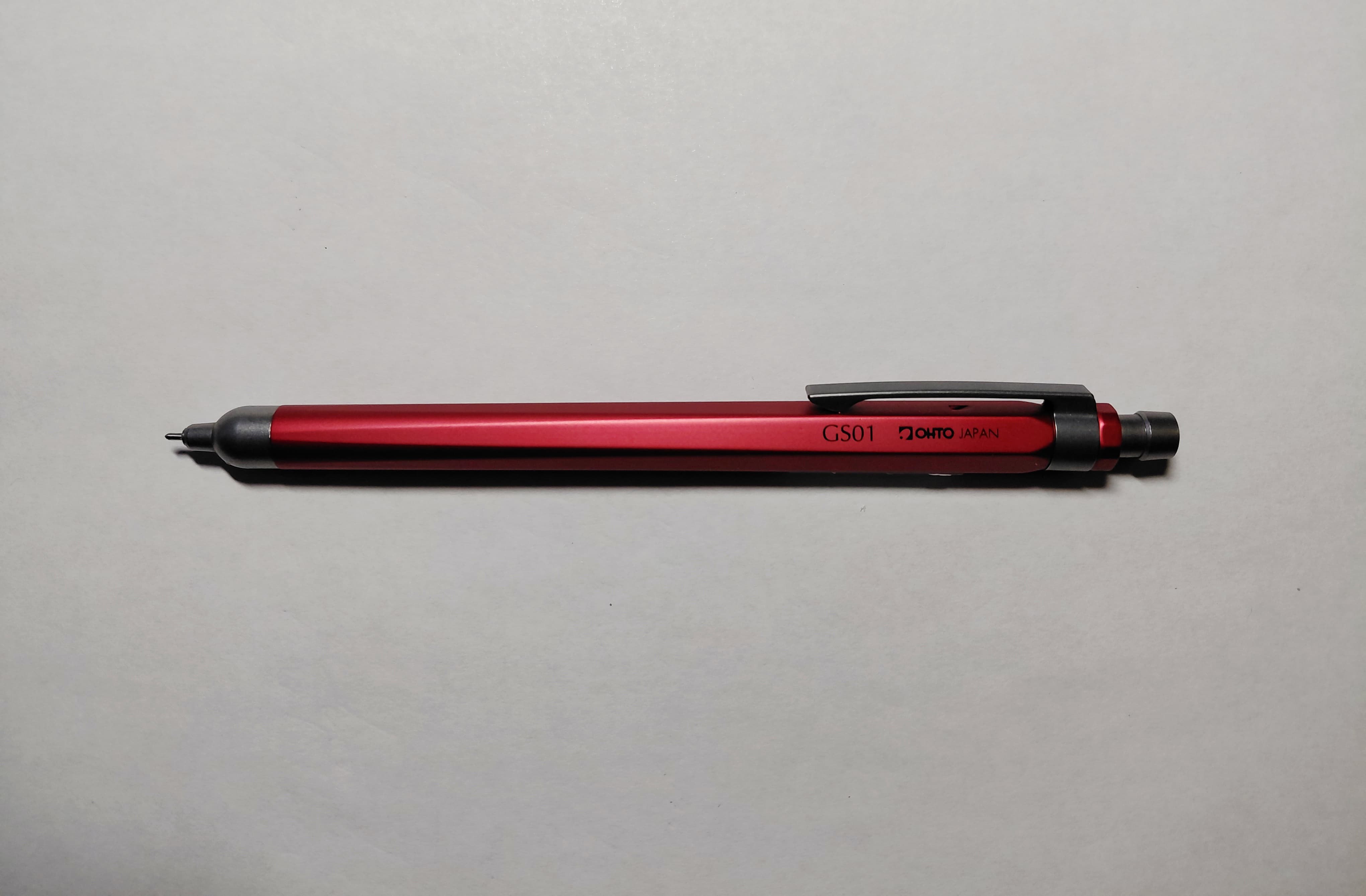
It comes with a black refill if you plan to buy it outside Japan. But in Japan it’s possible to buy a blue refill as well. What’s important this pen is a good companion in studying Chinese characters, also known as kanji in Japanese.
We visited a number of cities in Japan. Those that most of tourist visit as well, Tokyo, Kyoto, Nara and Inari. Each one with its unique character, nature, mostly in Kyoto and Nara, and food.
Overall, I liked this trip very much for Japanese people, language and culture are quite distinct. Having studied Japanese a long time ago, helped a little bit in navigating in Japan on a daily basis. But what really helped was using Gen AI apps to get information about various places and Google Translate visual translation to buy things at stores.
What a person like me would buy in Japan except for a new pen? Well, Japanese textbooks and quite a few of them. Oh, well and a Japanese Hump Back rock-band CD. Yes, CDs can be still bought there, in particular this album: Ningen nanosa. If you’d like to listen to a full album it is here.
Speaking about textbooks and books from Japan. Following are the books that I bought there to study Japanese and which I recommend if you’d like to study Japanese as well. Pay attention, to be able to read bi-lingual books mentioned below there is a need to know hiragana and katakana beforehand.
- The Complete Guide to Japanese Kanji by by Christopher Seely, Kenneth G. Henshall, Jiageng Fan.
- This one I didn’t buy in Japan. But was able to find online.
- This book is the best in my opinion for studying kanji. It provides an etymological information that I find invaluable.
- Learning Japanese Kanji by Glen Nolan Grant.
- This book is interesting since it has mnemonic stories that help to remember kanji, but it fails to mention what are determinatives or radicals. Which in my opinion is an essential knowledge for a person learning kanji and Chinese characters.
- Basic Japanese by Samuel E. Martin and Erico Sato.
- This book provides a solid foundation of Japanese grammar and is one of the best books on the subject.
- It turned out that books by Erico Sato are very good and helpful. I bought one more that she wrote below.
- Japanese Stories for Language Learners by Anne McNulty and Erico Sato.
- I find such books the best in studying Japanese. Kanji are there in context. Stories have some repetition so you practice reading same thing a number of times. Also, you learn about Japanese culture and history.
- Japanese Folktales for Language Learners by Eriko Sato and Anna Sato.
- Same comment as above. This book contains quite a few stories and it is 320 pages long. What I like the most that there is English and Japanese texts there. And Japanese text has detailed translations and grammar notes.
- Tuttle Concise Japanese Dictionary by Samuel E. Martin.
- I bought this book after returning home. It turns out that prof. Erico Sato updated the Basic Japanese book that Samuel E. Martin wrote. And Samule E. Martin was a world expert on Japanese and Korean languages.
I cannot finish this post without mentioning Japanese YouTube channels, and there are lots of them, that provide a learner with an opportunity to listen to speaking Japanese. There are channels that have slowly spoken Japanese or regular tempo Japanese. People speaking on various topics or traveling around Japan and later narrating what they saw while being there. I personally, find them very helpful in studying Japanese and will recommend the ones below. All of them provide subtitles in Japanese which is very helpful since you can read what is said.
- Japanese Talk with Himawari channel provides Japanese spoken in a simple and slower fashion, which easy to understand if you already know some basics. Himawari speaks about topics related to Japanese day to day life like Japanese trains, seasons, places, culture etc. When I listen to it I copy and paste kanji or sentences that I’d like to translate and use MS Copilot to translate and explain kanji.
- 【Wasabi】 listening daily Japanese channel provides visual Japanese by narrating what the author sees while traveling around Japan.
- NihongoDekita Podcast and NihongoDekita with Sayaka channel features regular speed spoken Japanese which is a little bit more challenging to listen to.

