GPT provides some insight into how ketones’ loss happens

Image generated with Windows Copilot

Windows Copilot shines

The reply is below


🌟 Exploring Energy Loss During Ketosis: The Role of Acetone and Acetoacetate🌟

When our bodies enter ketosis—often due to low carbohydrate intake or fasting—we begin producing ketone bodies as alternative fuel sources. The primary ketone bodies are:

  • Beta-Hydroxybutyrate (BHB)
  • Acetoacetate (AcAc)
  • Acetone

While these molecules serve as vital energy sources, not all are utilized efficiently, leading to some energy loss. Here’s how it happens:


🔹 Energy Loss Through Ketone Excretion

1. Acetone Exhalation

  • Formation: Acetone is produced from the spontaneous decarboxylation of acetoacetate.
  • Excretion: Being volatile, acetone is exhaled through the lungs and also lost via urine and sweat.
  • Energy Implications: The exhaled acetone contains caloric energy that the body doesn’t recover—this represents direct energy loss.

2. Urinary Excretion of Acetoacetate and BHB

  • Renal Handling: The kidneys filter blood ketone bodies, reabsorbing most but not all. Excess ketones are excreted in the urine.
  • Energy Implications: The energy in these excreted ketones is also lost to the body. During high ketone production, urinary losses can be significant.

🔹 Key Research Findings

• Magnitude of Energy Loss

  • Quantitative Estimates: Energy loss through ketone excretion can range from 50 to 100 kilocalories per day in individuals in ketosis.
  • Influencing Factors: Depth of ketosis, metabolic rates, and kidney function affect the extent of ketone loss.

• Metabolic Adaptations Over Time

  • Increased Efficiency: With prolonged ketosis, the body adapts—kidneys enhance ketone reabsorption, and tissues improve ketone utilization, reducing losses.
  • Reduced Acetone Production: The body produces less acetone over time, minimizing exhaled energy loss.

• Clinical Contexts

  • Diabetes Mellitus: In uncontrolled type 1 diabetes, ketone production surges, and energy loss through excretion becomes more pronounced, contributing to weight loss.
  • Ketogenic Diets: Initial ketone losses are higher but tend to decrease as the body adapts to ketosis.

🔹 Understanding the Energy Calculations

• Caloric Content of Ketone Bodies

  • Beta-Hydroxybutyrate and Acetoacetate: Approximately 4.5 kcal per gram.
  • Acetone: While not a significant energy source, its loss still represents unused potential energy.

• Estimating Daily Losses

  • Urinary Ketones: Losing 10 grams of ketones via urine equates to about 45 kcal lost per day.
  • Exhaled Acetone: Though smaller in quantity, exhaled acetone adds to the total energy deficit.

🔹 Implications of Ketone Energy Loss

• Weight Management

  • Contributing Factor: Inefficient ketone utilization and subsequent energy loss may aid in weight loss by creating a caloric deficit.
  • Dietary Adjustments: Understanding this loss can help calibrate caloric intake for those on ketogenic diets.

• Metabolic Health

  • Efficiency Over Time: As the body adapts and reduces energy loss, dietary adjustments may be necessary to maintain weight loss momentum.
  • Monitoring Ketosis Levels: Regular testing of blood or urine ketone levels can inform about the state of ketosis and metabolic efficiency.

🔹 Additional Insights

• Breath Acetone as a Marker

  • Non-Invasive Monitoring: Breath acetone levels correlate with blood ketone levels, offering a convenient way to monitor ketosis.
  • Research Utilization: Used to estimate acetone production and associated energy loss.

• Ketone Metabolism Beyond Energy

  • Signaling Molecules: Ketone bodies play roles in gene expression, inflammation, and oxidative stress.
  • Therapeutic Potential: Minimizing unnecessary energy loss can enhance the benefits of ketogenic diets, especially in medical conditions like epilepsy or metabolic disorders.

🔹 Connecting the Dots

The loss of energy through acetone exhalation and acetoacetate excretion during ketosis, while seemingly minor, has meaningful implications:

  • Metabolic Efficiency: Highlights the balance the body achieves between utilizing alternative energy sources and conserving energy.
  • Dietary Planning: Emphasizes the importance of adjusting nutritional strategies as the body’s adaptation to ketosis evolves.
  • Health Outcomes: Offers insights that could improve interventions for metabolic diseases, weight management, and overall well-being.

Understanding the nuances of ketone metabolism and energy loss showcases the body’s remarkable adaptability! Whether for personal health goals or academic interest, delving into this area uncovers the intricate interplay between diet, metabolism, and energy utilization. 🌟
Ketosis with exogenous ketones cocktail

https://ketonutrition.org/the-many-faces-of-beta-hydroxybutyrate-bhb/?form=MG0AV3

Ketosis is just fifteen minutes away

Weight loss as an engineering

  1. Continue Intermittent Fasting regimen by having 16 hours fast, 8 hours eating window.
  2. Continue eating mostly low carb diet, and restraining from eating food that contains any sugar.
  3. Continue walking outside just for fun, since it’s free and affordable to almost everyone, unlike a gym membership.

Ketones of Potassium BHB salt to induce exogenous ketosis

Exogenous ketones

16/8 fast won’t help you to go into ketosis

Experiment of N = 1

References

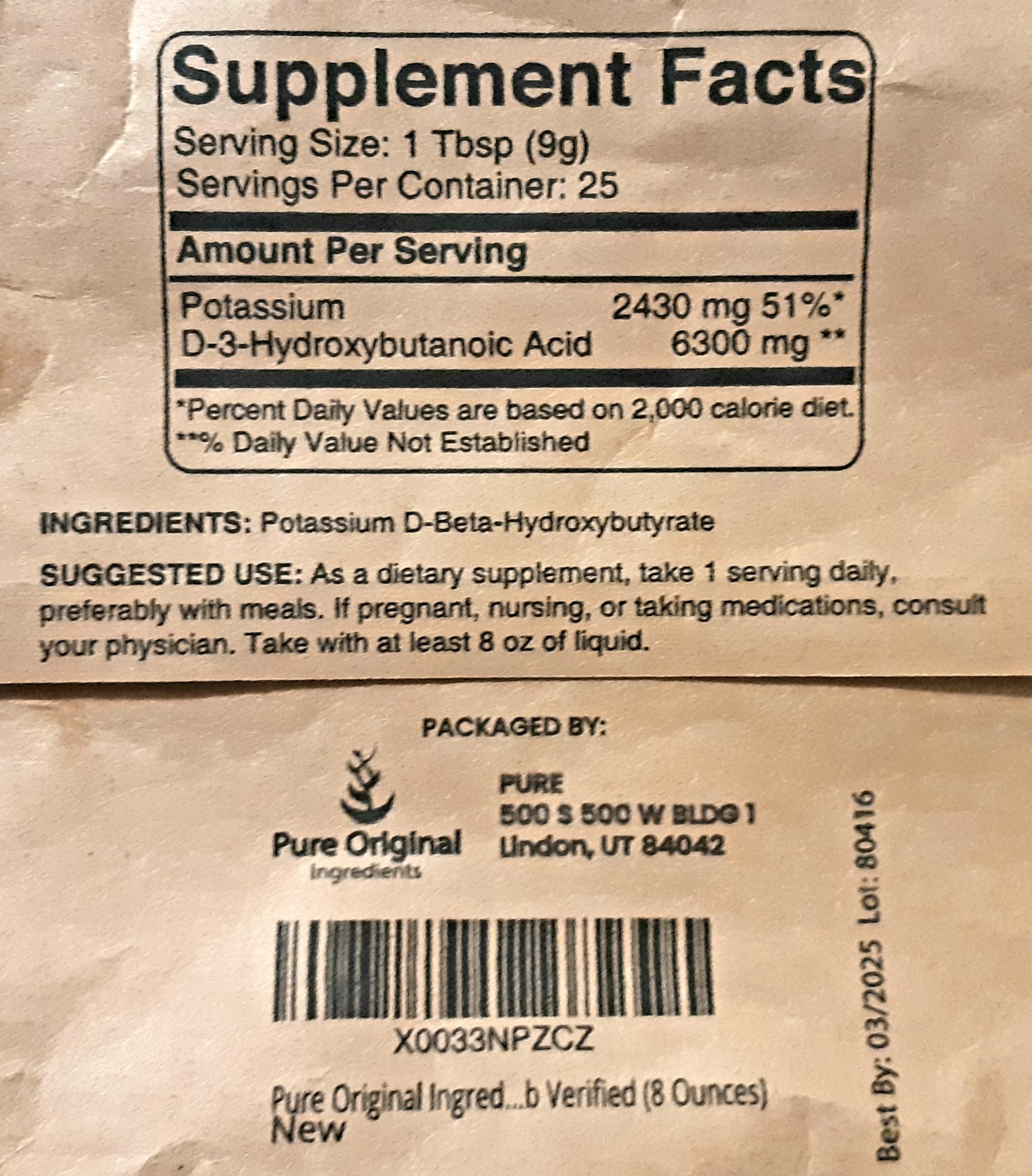
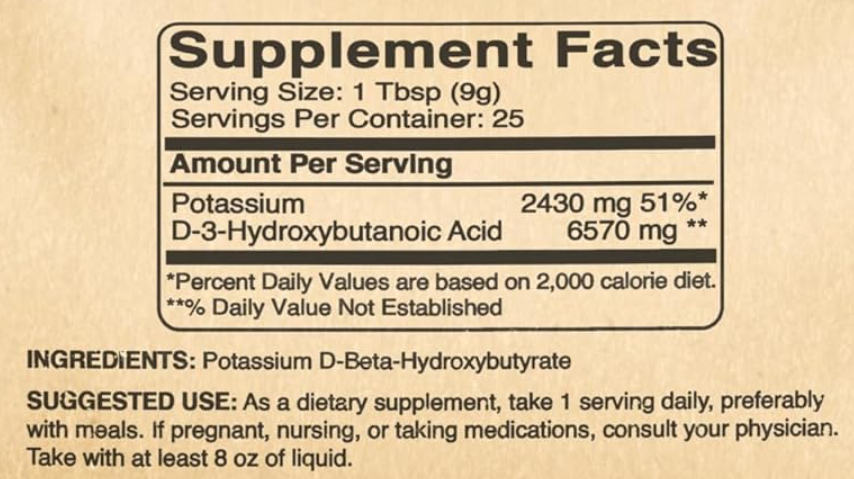
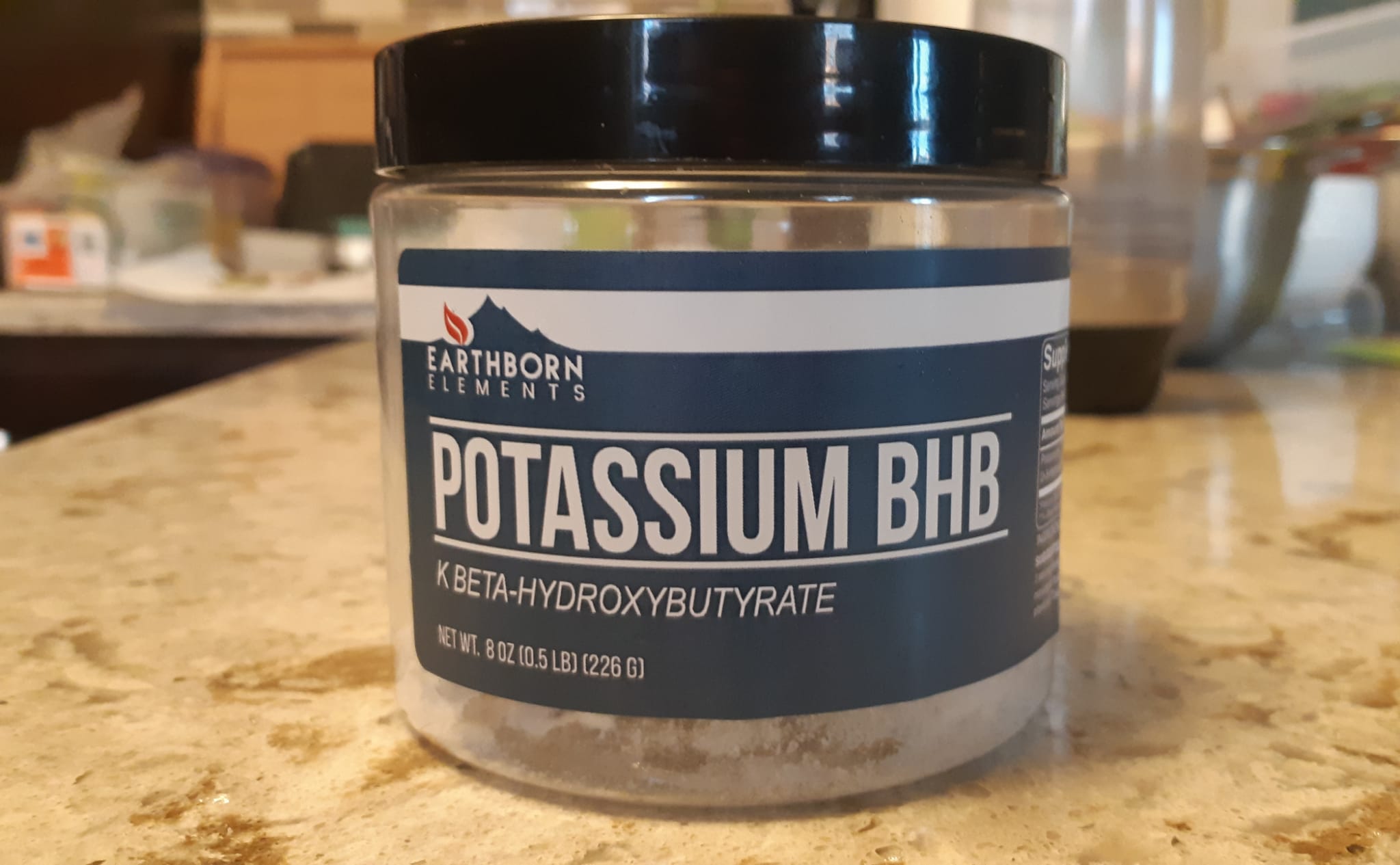
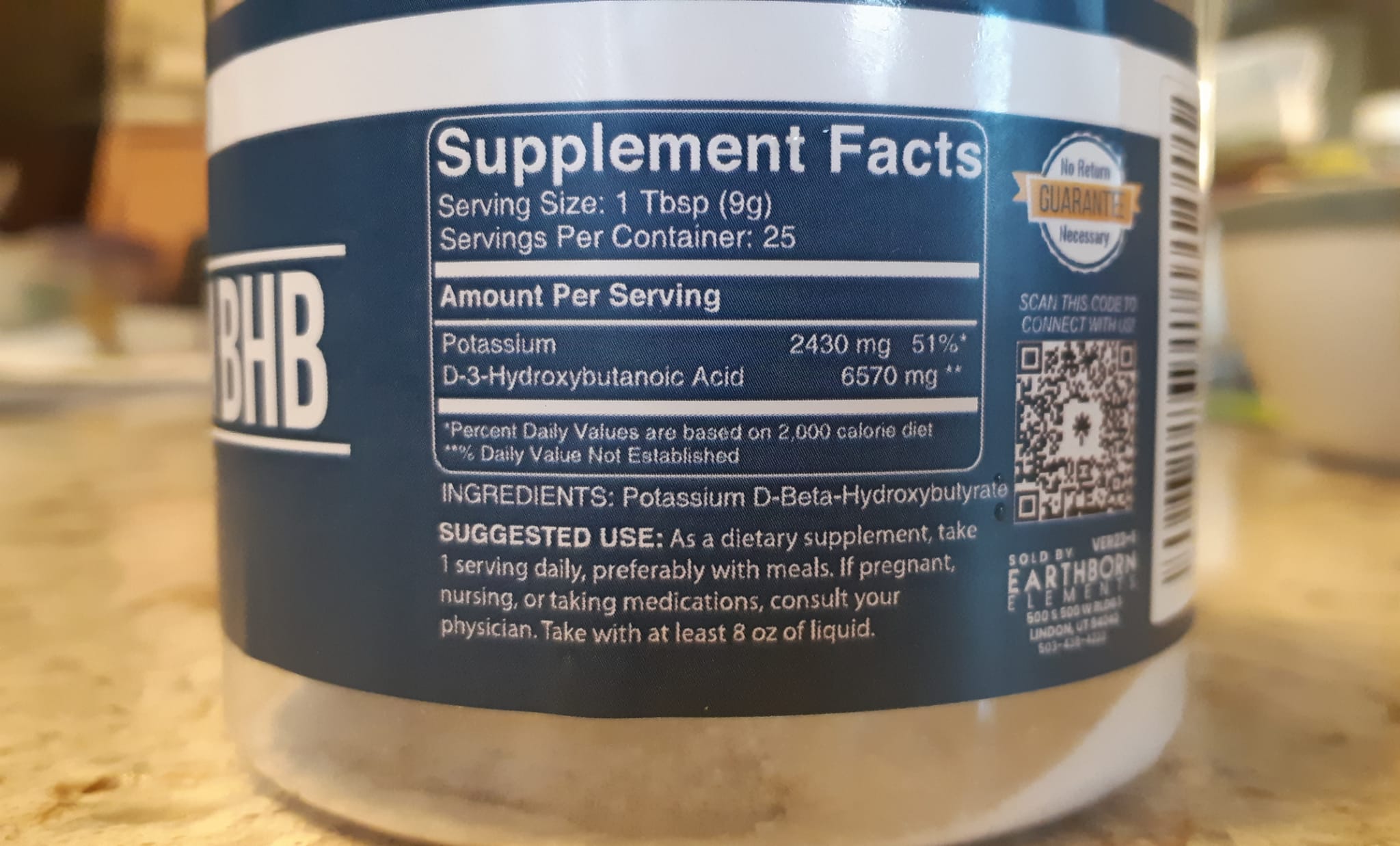
Potassium BHB ketone salt I’ve used.

Prolonged Fasting is a piece of cake! Or is it?

What is prolonged fasting?

Well, extended or prolonged fasting which is fasting for more than 24 hours is not your lovely 16/8. It’s more challenging and I should say it’s another level of fasting altogether.

First, it requires more dedication since unlike short fasts you still need to live in an environment where people continue to eat and you have to deal with food preparation for them and feel all the smells and looks of the food.

So if you can, do extended fasting when there is no one around, so not to be distracted.

Second, prolonged fasts are less comfortable than 16/8. After about 24 hours into a fast you start feeling a feeling of emptiness in the stomach that is a little bit annoying, but bearable. And at 8:00 PM as it also happens during regular fast you’ll feel hungry due to high levels of ghrelin hormone.

The good news is that in the morning of the second day of fasting if you do 42 hours for example, you don’t want to eat at all. Which is the same thing I feel during short fasts too.

Third, when you do prolonged fast you may feel coldness and low energy even though after about 24-36 hours (depending on the amount of glycogen in the liver) body should switch to using fat as main source of energy. Also, you may feel like going to sleep very early. Which is the case for me today, as usual when doing 42 hours fast.

Benefits of extended fasting

But, don’t forget that this is not in vain:

  1. During prolonged fasts you lose fat really fast.
  2. You have more time since you do not need to buy, cook or prepare food, unless you have kids. Then it sucks.
  3. You have an opportunity to look at your usual life from outside and see how our life is food-centric most of the time.
  4. Autophagy is in full swing only during prolonged fasts starting after 24 hours into fasting. I am not sure that 16/8 turns on autophagy at all (I’ll check this point in scientific papers later).

So there you have it


Extended fasting is challenging, but it comes with some benefits. If you don’t do it too frequently it can be even fun, when you do it with a partner, and kids are sent to spend time with grandpas and grandmas. And you use free time for walking, reading and sleeping.

How to lose weight and have fun doing it?

Photo by Marija Zaric on Unsplash

Can you lose fat and maintain your weight after this?

If you want to understand how to lose weight, then there are a couple of steps to follow to achieve this.

Pre-requisites

1. Check that you have no constraints that can prevent you from doing intermittent fasting. Which are

Do not try intermittent fasting if you are

  • a pregnant woman
  • a breastfeeding woman
  • underweight person
  • a child under 18 years old
  • has a medical condition that requires consultation with a doctor

Watch me!

2. I strongly recommend you to watch How to Avoid Insulin Resistance and Why it’s Important | Dr. Robert Lustig & Dr. Dom D’Agostino to understand how too much Insulin hormone that is released due to sugary and starchy foods and drinks consumption drives weight gain (fat gain). 

When you understand this simple thing then you can do three things below:

  • You can change what you eat to lessen or completely remove sugary and starchy foods and drinks from food you eat. This approach is also known as Insulin lowering diet (aka low-carb and Ketogenic diets)
  • Or you can go on an Intermittent Fasting lane and strive to do 16 hours long fast and 8 hours long eating window. It’s flexible and you can start from 12 hours fast, which means skipping your breakfast. It’s simple as that.
  • Or you can combine both of the above approaches.

3. Then if you feel like it you can start walking. As soon as you start losing weight (at first water) after stopping eating ultra processed food and sugar, you may find yourself more energetic and walking is a good thing to engage in.

4. At last, if you want to you can start doing resistance training using your own body (push-ups), resistance bands or dumbbells (these can be expensive to buy new, but you can find used ones at FB marketplace for example).

To summarize

For most of the people, it possible to lose weight without using drugs, surgeries and going to the gym by understanding that excessive amount of Insulin hormone is what is driving weight gain.

When you stop eating sugary and starchy foods, drinking sugary drinks all of which is called Ultra Processed food there is nothing that can prevent you from being healthier.

You can do it!

References:

The people that theirs advice I listen very carefully are:

  1. Benjamin Bikman, PhD – “Why We Get Sick”
  2. Jason Fung, MD – “The Obesity Code”
  3. Gary Taubes, investigative journalist – “Why We Get Fat”
  4. Mark Mattson, PhD – “Intermittent Fasting Revolution”
  5. Robert Lustig, MD – “Fat Chance”
  6. David Perlmutter, MD – “Drop Acid”
  7. Gin Stephens, author – “Fast. Feast. Repeat”
  8. Dr. Sten Ekberg (YouTuber)
  9. Dr. Berg (YouTuber)
  10. Thomas DeLauer (YouTuber)