GPT provides some insight into how ketones’ loss happens

Image generated with Windows Copilot

Windows Copilot shines

The reply is below


🌟 Exploring Energy Loss During Ketosis: The Role of Acetone and Acetoacetate🌟

When our bodies enter ketosis—often due to low carbohydrate intake or fasting—we begin producing ketone bodies as alternative fuel sources. The primary ketone bodies are:

  • Beta-Hydroxybutyrate (BHB)
  • Acetoacetate (AcAc)
  • Acetone

While these molecules serve as vital energy sources, not all are utilized efficiently, leading to some energy loss. Here’s how it happens:


🔹 Energy Loss Through Ketone Excretion

1. Acetone Exhalation

  • Formation: Acetone is produced from the spontaneous decarboxylation of acetoacetate.
  • Excretion: Being volatile, acetone is exhaled through the lungs and also lost via urine and sweat.
  • Energy Implications: The exhaled acetone contains caloric energy that the body doesn’t recover—this represents direct energy loss.

2. Urinary Excretion of Acetoacetate and BHB

  • Renal Handling: The kidneys filter blood ketone bodies, reabsorbing most but not all. Excess ketones are excreted in the urine.
  • Energy Implications: The energy in these excreted ketones is also lost to the body. During high ketone production, urinary losses can be significant.

🔹 Key Research Findings

• Magnitude of Energy Loss

  • Quantitative Estimates: Energy loss through ketone excretion can range from 50 to 100 kilocalories per day in individuals in ketosis.
  • Influencing Factors: Depth of ketosis, metabolic rates, and kidney function affect the extent of ketone loss.

• Metabolic Adaptations Over Time

  • Increased Efficiency: With prolonged ketosis, the body adapts—kidneys enhance ketone reabsorption, and tissues improve ketone utilization, reducing losses.
  • Reduced Acetone Production: The body produces less acetone over time, minimizing exhaled energy loss.

• Clinical Contexts

  • Diabetes Mellitus: In uncontrolled type 1 diabetes, ketone production surges, and energy loss through excretion becomes more pronounced, contributing to weight loss.
  • Ketogenic Diets: Initial ketone losses are higher but tend to decrease as the body adapts to ketosis.

🔹 Understanding the Energy Calculations

• Caloric Content of Ketone Bodies

  • Beta-Hydroxybutyrate and Acetoacetate: Approximately 4.5 kcal per gram.
  • Acetone: While not a significant energy source, its loss still represents unused potential energy.

• Estimating Daily Losses

  • Urinary Ketones: Losing 10 grams of ketones via urine equates to about 45 kcal lost per day.
  • Exhaled Acetone: Though smaller in quantity, exhaled acetone adds to the total energy deficit.

🔹 Implications of Ketone Energy Loss

• Weight Management

  • Contributing Factor: Inefficient ketone utilization and subsequent energy loss may aid in weight loss by creating a caloric deficit.
  • Dietary Adjustments: Understanding this loss can help calibrate caloric intake for those on ketogenic diets.

• Metabolic Health

  • Efficiency Over Time: As the body adapts and reduces energy loss, dietary adjustments may be necessary to maintain weight loss momentum.
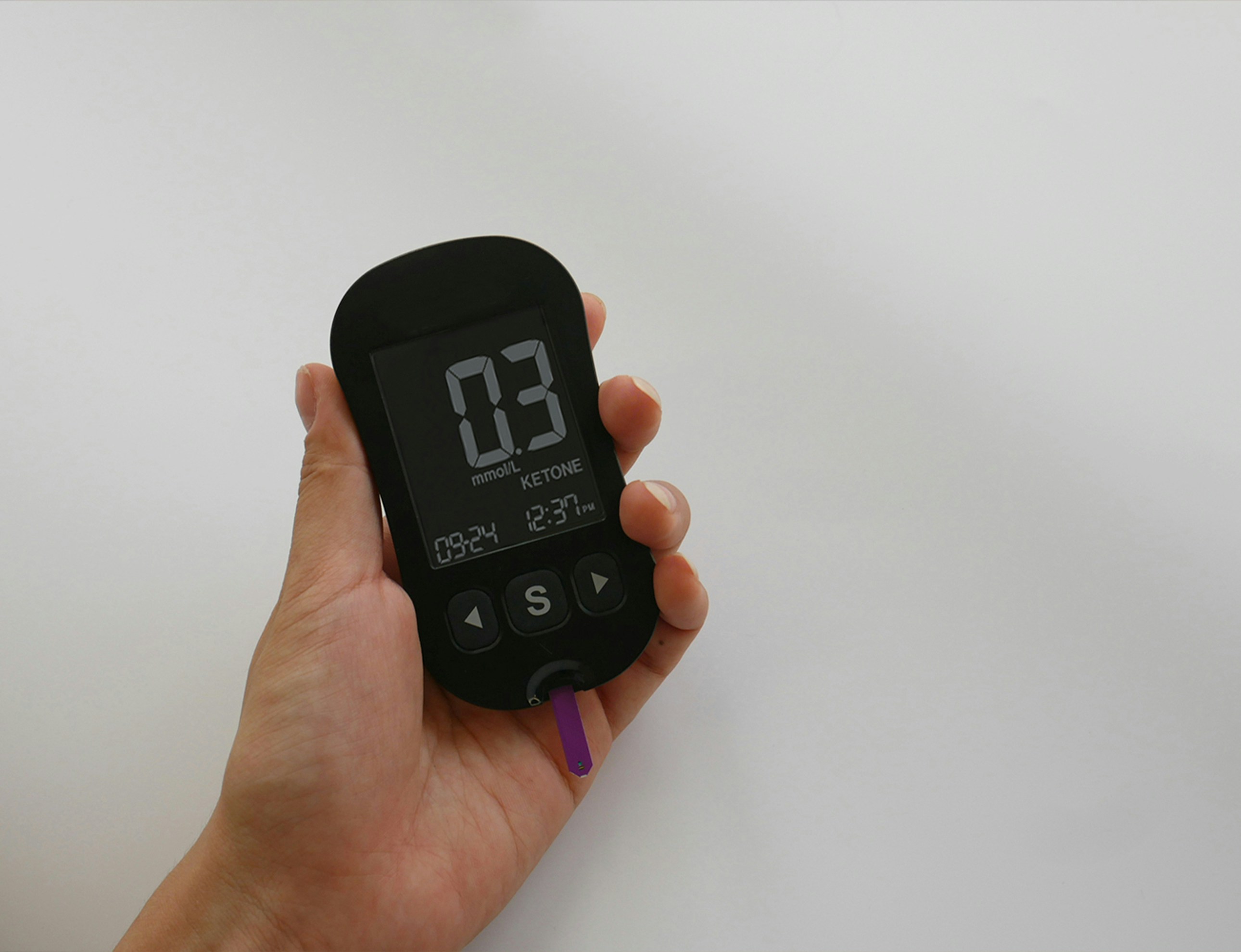
  • Monitoring Ketosis Levels: Regular testing of blood or urine ketone levels can inform about the state of ketosis and metabolic efficiency.

🔹 Additional Insights

• Breath Acetone as a Marker

  • Non-Invasive Monitoring: Breath acetone levels correlate with blood ketone levels, offering a convenient way to monitor ketosis.
  • Research Utilization: Used to estimate acetone production and associated energy loss.

• Ketone Metabolism Beyond Energy

  • Signaling Molecules: Ketone bodies play roles in gene expression, inflammation, and oxidative stress.
  • Therapeutic Potential: Minimizing unnecessary energy loss can enhance the benefits of ketogenic diets, especially in medical conditions like epilepsy or metabolic disorders.

🔹 Connecting the Dots

The loss of energy through acetone exhalation and acetoacetate excretion during ketosis, while seemingly minor, has meaningful implications:

  • Metabolic Efficiency: Highlights the balance the body achieves between utilizing alternative energy sources and conserving energy.
  • Dietary Planning: Emphasizes the importance of adjusting nutritional strategies as the body’s adaptation to ketosis evolves.
  • Health Outcomes: Offers insights that could improve interventions for metabolic diseases, weight management, and overall well-being.

Understanding the nuances of ketone metabolism and energy loss showcases the body’s remarkable adaptability! Whether for personal health goals or academic interest, delving into this area uncovers the intricate interplay between diet, metabolism, and energy utilization. 🌟
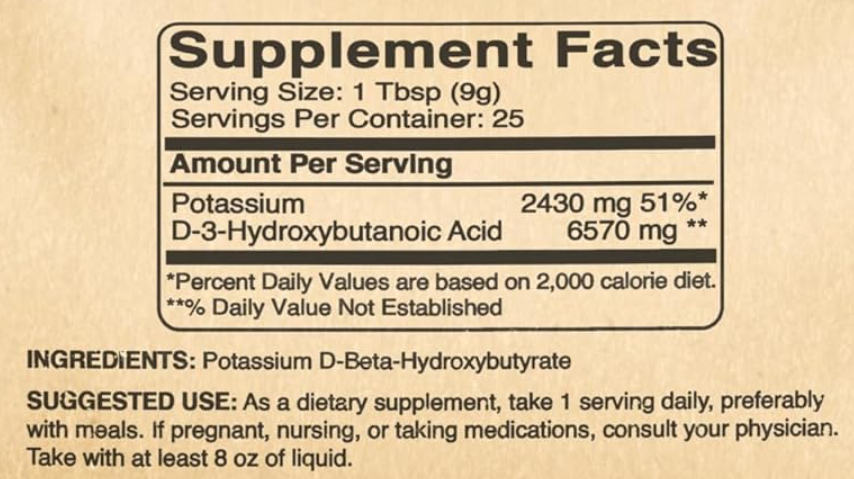
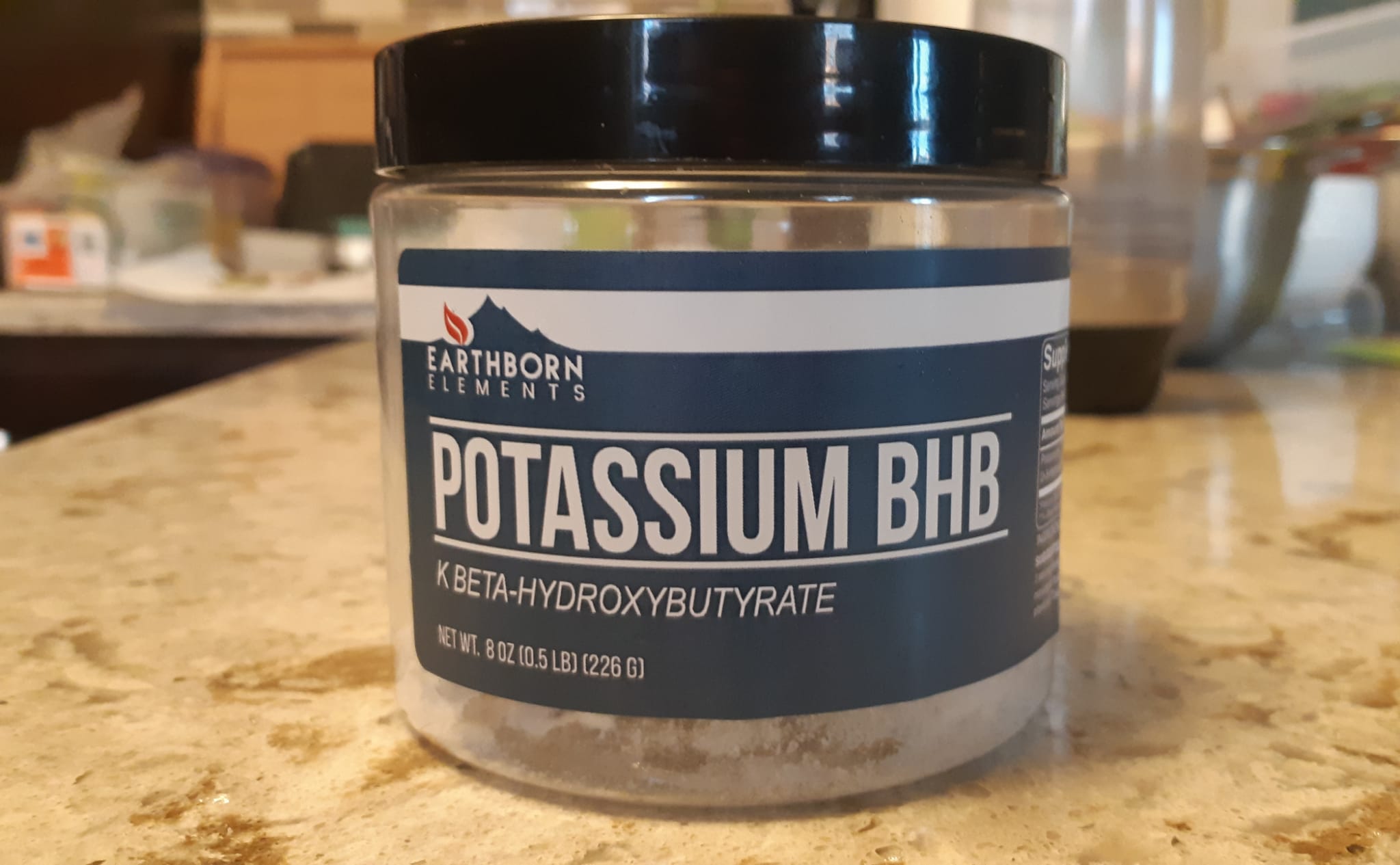
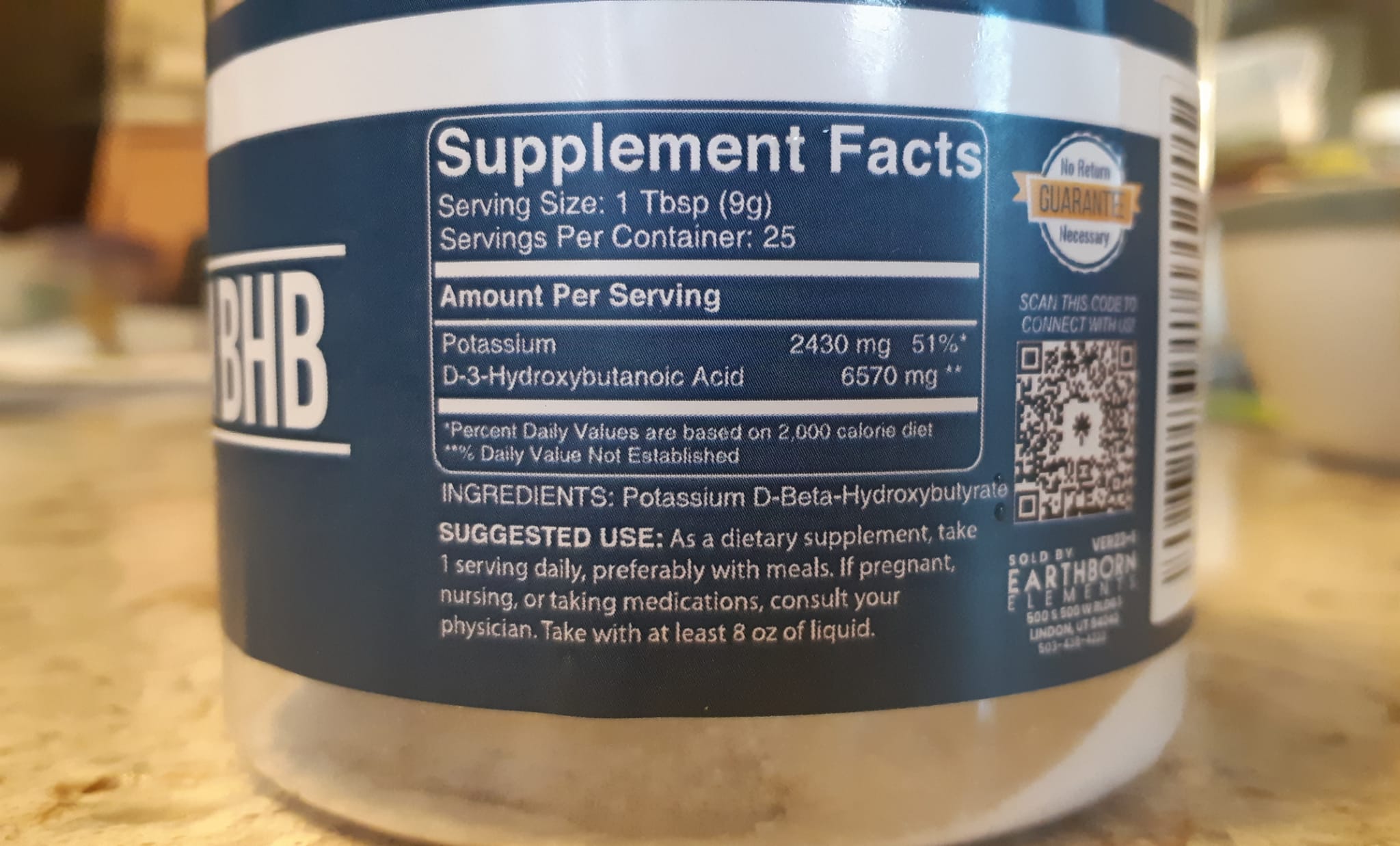
Ketosis with exogenous ketones cocktail

https://ketonutrition.org/the-many-faces-of-beta-hydroxybutyrate-bhb/?form=MG0AV3

Ketosis is just fifteen minutes away

Eat more, move less you’ll get a real progress!

Photo by Noah Buscher on Unsplash

So, what’s the proper way to lose weight?
Well, check Carbohydrate-Insulin Model (CIM) of obesity. The hypothesis that actually explains weight gain better than EBM and it states that lowering carbohydrates consumption as much as possible is the way to lose weight for good.


For more details, read the paper by prof. David Ludwig below

Ludwig DS. Carbohydrate-insulin model: does the conventional view of obesity reverse cause and effect? Philos Trans R Soc Lond B Biol Sci. 2023 Oct 23;378(1888):20220211. doi: 10.1098/rstb.2022.0211. Epub 2023 Sep 4. PMID: 37661740; PMCID: PMC10475871.

Abstract

Conventional obesity treatment, based on the First Law of Thermodynamics, assumes that excess body fat gain is driven by overeating, and that all calories are metabolically alike in this regard. Hence, to lose weight one must ultimately eat less and move more. However, this prescription rarely succeeds over the long term, in part because calorie restriction elicits predictable biological responses that oppose ongoing weight loss. The carbohydrate-insulin model posits the opposite causal direction: overeating doesn’t drive body fat increase; instead, the process of storing excess fat drives overeating. A diet high in rapidly digestible carbohydrates raises the insulin-to-glucagon ratio, shifting energy partitioning towards storage in adipose, leaving fewer calories for metabolically active and fuel sensing tissues. Consequently, hunger increases, and metabolic rate slows in the body’s attempt to conserve energy. A small shift in substrate partitioning through this mechanism could account for the slow but progressive weight gain characteristic of common forms of obesity. From this perspective, the conventional calorie-restricted, low-fat diet amounts to symptomatic treatment, failing to target the underlying predisposition towards excess fat deposition. A dietary strategy to lower insulin secretion may increase the effectiveness of long-term weight management and chronic disease prevention. This article is part of a discussion meeting issue ‘Causes of obesity: theories, conjectures and evidence (Part II)’.

Weight loss as an engineering

  1. Continue Intermittent Fasting regimen by having 16 hours fast, 8 hours eating window.
  2. Continue eating mostly low carb diet, and restraining from eating food that contains any sugar.
  3. Continue walking outside just for fun, since it’s free and affordable to almost everyone, unlike a gym membership.

Why would anyone take exogenous ketones?

Photo by Mary West on Unsplash

Note: consult with your physician before trying this.

Magical formula

How does it feel like?

An athlete

An older person

Overweight or obese

Overall healthy and curious person

Pull-Push and why brain prefers ketones as energy

Photo by isens usa on Unsplash

Ketones are the natural fuel for the brain

Takeaway

Cunnane SC. 2018. Ketones, omega-3 fatty acids and the Yin-Yang balance in the brain: insights from infant development and Alzheimer’s disease, and implications for human brain evolution. OCL 25(4): D409.

The use of both glucose and ketones as the brain’s two main fuels is governed by five principles: First, two distinctly different strategies regulate the use of glucose and ketones by the brain, a concept we call ’Push-Pull’ (Cunnane et al., 2016a, b). Brain glucose uptake is controlled by brain cell activity. Glucose is transported into the brain via glucose transporters in response to brain cell activation (Pull), so it is largely independent of blood glucose concentration. In contrast, ketones are transported into the brain via monocarboxylic acid transporters directly in response to plasma ketone concentration (Push), not brain activity. Hence, when ketones rise in the blood, they are immediately transported into the brain, an effect not seen with glucose.

  1. Cunnane SC, Courchesne-Loyer A, Vandenberghe C, St-Pierre V, Fortier M, Hennebelle M, Croteau E, Bocti C, Fulop T and Castellano C-A (2016) Can Ketones Help Rescue Brain Fuel Supply in Later Life? Implications for Cognitive Health during Aging and the Treatment of Alzheimer’s Disease. Front. Mol. Neurosci. 9:53. doi: 10.3389/fnmol.2016.00053 ↩︎

To lose weight first understand how you gain it

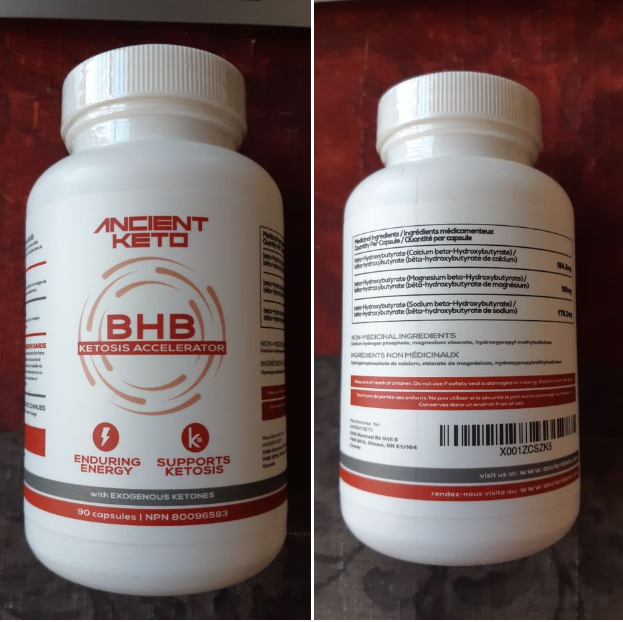
My review of the Ancient Keto BHB salt

Note: In the study #1, they gave ketone salts to juveniles, it means that for an adult to get 0.7 mmol/l of ketones you need to up the dose to about 10 or even 15 grams of ketone salts. I’ve taken 10 grams at once of Potassium D-BHB ketone salt and was able to measure only 0.5 mmol/l using Digital Ketone Breath Meter which measures Acetone ketone in breath.

1. Stefan M, Sharp M, Gheith R, Lowery R, Wilson J. The Effect of Exogenous Beta-Hydroxybutyrate Salt Supplementation on Metrics of Safety and Health in Adolescents. Nutrients. 2021 Mar 5;13(3):854. doi: 10.3390/nu13030854. PMID: 33807731; PMCID: PMC8000900.

2. Saris CGJ, Timmers S. Ketogenic diets and Ketone suplementation: A strategy for therapeutic intervention. Front Nutr. 2022 Nov 15;9:947567. doi: 10.3389/fnut.2022.947567. PMID: 36458166; PMCID: PMC9705794.

3. Clarke K, Tchabanenko K, Pawlosky R, Carter E, Todd King M, Musa-Veloso K, Ho M, Roberts A, Robertson J, Vanitallie TB, Veech RL. Kinetics, safety and tolerability of (R)-3-hydroxybutyl (R)-3-hydroxybutyrate in healthy adult subjects. Regul Toxicol Pharmacol. 2012 Aug;63(3):401-8. doi: 10.1016/j.yrtph.2012.04.008. Epub 2012 May 3. PMID: 22561291; PMCID: PMC3810007; Prins, P.J., D’Agostino, D.P., Rogers, C.Q. et al. Dose response of a novel exogenous ketone supplement on physiological, perceptual and performance parameters. Nutr Metab (Lond) 17, 81 (2020); Holland AM, Qazi AS, Beasley KN, Bennett HR. Blood and cardiovascular health parameters after supplementing with ketone salts for six weeks. J. insul. resist. 2019;4(1), a47.

How to lose weight and have fun doing it?

Photo by Marija Zaric on Unsplash

Can you lose fat and maintain your weight after this?

If you want to understand how to lose weight, then there are a couple of steps to follow to achieve this.

Pre-requisites

1. Check that you have no constraints that can prevent you from doing intermittent fasting. Which are

Do not try intermittent fasting if you are

  • a pregnant woman
  • a breastfeeding woman
  • underweight person
  • a child under 18 years old
  • has a medical condition that requires consultation with a doctor

Watch me!

2. I strongly recommend you to watch How to Avoid Insulin Resistance and Why it’s Important | Dr. Robert Lustig & Dr. Dom D’Agostino to understand how too much Insulin hormone that is released due to sugary and starchy foods and drinks consumption drives weight gain (fat gain). 

When you understand this simple thing then you can do three things below:

  • You can change what you eat to lessen or completely remove sugary and starchy foods and drinks from food you eat. This approach is also known as Insulin lowering diet (aka low-carb and Ketogenic diets)
  • Or you can go on an Intermittent Fasting lane and strive to do 16 hours long fast and 8 hours long eating window. It’s flexible and you can start from 12 hours fast, which means skipping your breakfast. It’s simple as that.
  • Or you can combine both of the above approaches.

3. Then if you feel like it you can start walking. As soon as you start losing weight (at first water) after stopping eating ultra processed food and sugar, you may find yourself more energetic and walking is a good thing to engage in.

4. At last, if you want to you can start doing resistance training using your own body (push-ups), resistance bands or dumbbells (these can be expensive to buy new, but you can find used ones at FB marketplace for example).

To summarize

For most of the people, it possible to lose weight without using drugs, surgeries and going to the gym by understanding that excessive amount of Insulin hormone is what is driving weight gain.

When you stop eating sugary and starchy foods, drinking sugary drinks all of which is called Ultra Processed food there is nothing that can prevent you from being healthier.

You can do it!

References:

The people that theirs advice I listen very carefully are:

  1. Benjamin Bikman, PhD – “Why We Get Sick”
  2. Jason Fung, MD – “The Obesity Code”
  3. Gary Taubes, investigative journalist – “Why We Get Fat”
  4. Mark Mattson, PhD – “Intermittent Fasting Revolution”
  5. Robert Lustig, MD – “Fat Chance”
  6. David Perlmutter, MD – “Drop Acid”
  7. Gin Stephens, author – “Fast. Feast. Repeat”
  8. Dr. Sten Ekberg (YouTuber)
  9. Dr. Berg (YouTuber)
  10. Thomas DeLauer (YouTuber)