Have you wondered how it is possible to develop imagination in general and creative imagination in particular. After all, it seems like the state of the things is that some people have it and others don’t. But don’t be so fast to think so. It turns out that it is possible to train your imagination in a similar way as how you can gain muscles by exercising in a structured way.
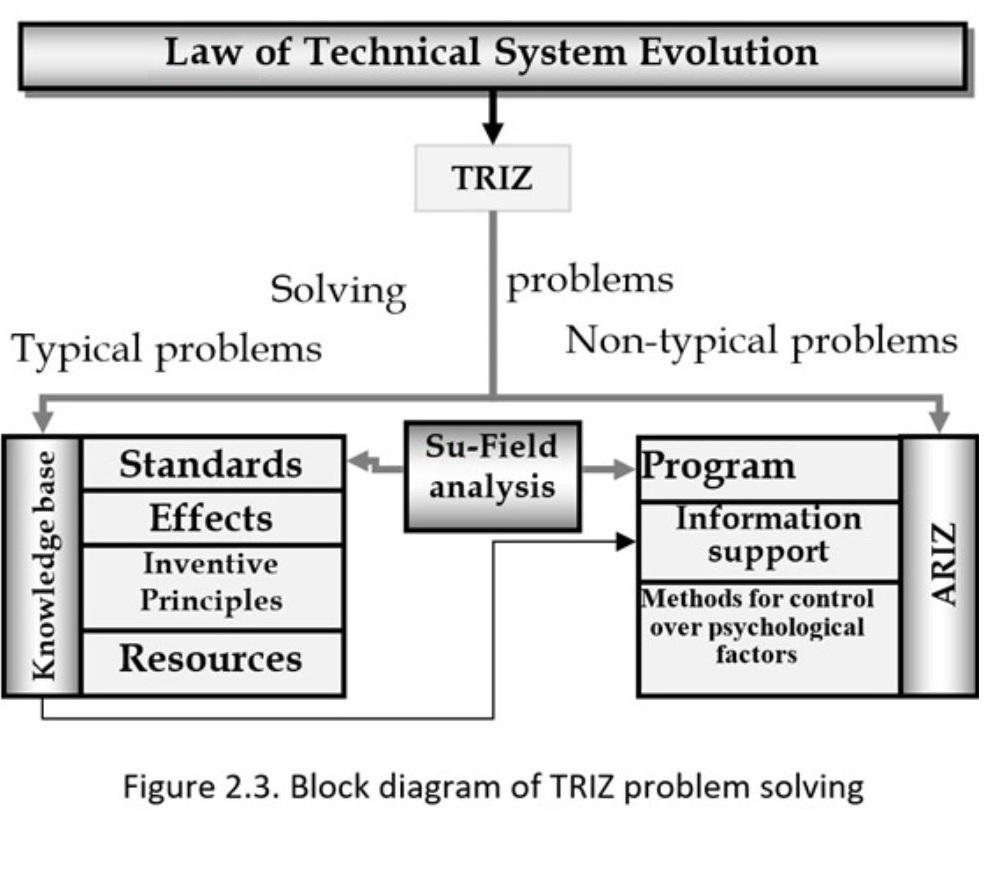
To save you time and effort imaging such a structured and systematic approach to developing creative imagination you can turn to a method that was developed by Genrikh Altshuller the creator of the Theory Of Inventive Problem Solving also known in its Russian acronym form as TRIZ.
One constituent part of TRIZ is Development of Creative Imagination. It consists of a number of methods and imaginative techniques (operators) that can help you develop creative imagination in engaging and joyful manner.
In this post I’d like to mention some of the techniques or imaginative operators that can be helpful in developing creative imagination. These operators were introduced by sci-fi writer Pavel Amnuel.
A complete list of operators comes below. I call them operators in the mathematical sense, since they act on an object, idea etc. and transform them in one way or the other. As you may notice, first operator in the list is Inverse.
- Do the “opposite” – Inversion.
(The following methods form pairs in which one element is the opposite of the other—i.e., using the “do the opposite” operator or duality.)
- Increase – Decrease
- Acceleration – Deceleration
- Addition – Removal (or Insertion – Extraction)
- Generalization – Delimitation (or Universal – Defined)
- Quantization – Continuity (for process or action)
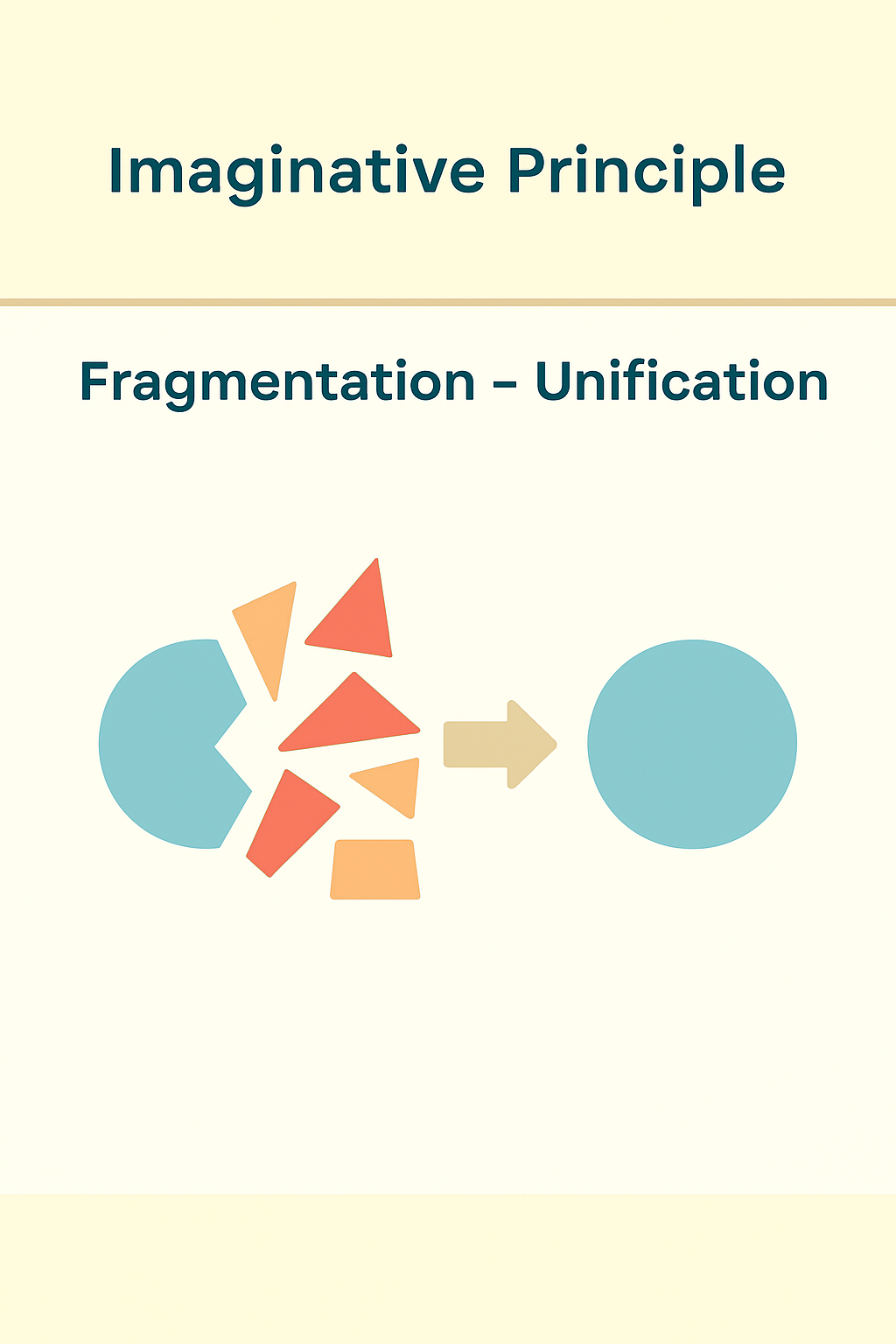
- Segmentation – Unification (for a property or object)
- Make Dynamic – Static
- Turn Artificial – Natural
- A method to change immutable things (Change what is usually considered unchangeable).
Next, I’ll provide visual examples of each operator by referencing sci-fi movies that incorporated them.
Examples of the operators in sci-fi movies
Supersize me
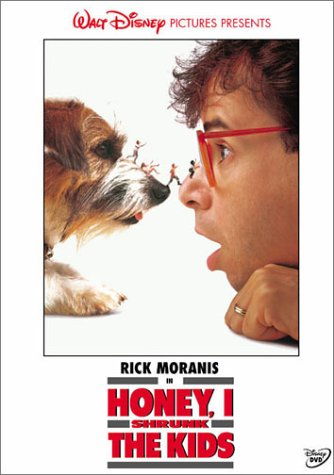
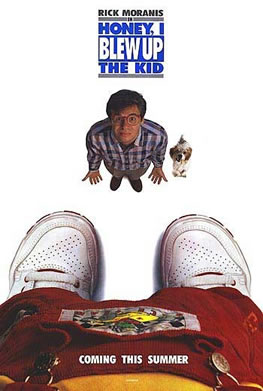
The movies below are an example of Increase – Decrease operator where kids were shrunk and then a kid was enlarged. And what’s funny going from an idea of one movie to the other involved simply using an Inversion operator.
Most probably first literary reference of this operator in fiction was: Gulliver’s Travels by Jonathan Swift (1726)
- Honey, I Shrunk the Kids (1989),
- Honey, I Blew Up the Kid (1992)
Superman
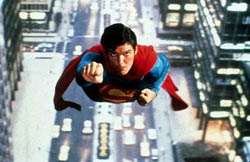
The movie below is an example of Acceleration and Addition operators when a number of regular human abilities were increased and placed in a single person.
Superman movie from 1978.
Superman was originally created by DC Comics (1938).
Superman’s famous arsenal of powers has included flight, super-strength, super-speed, vision powers (including x-ray, heat-emitting, telescopic, infra-red, and microscopic vision), super-hearing, and super-breath.
Intelligence Enhancement
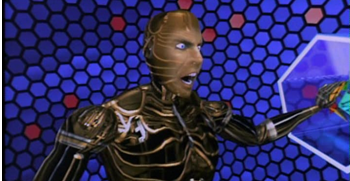
The movie below is an example of Addition – Removal operator when super-intelligence was added to a person that didn’t have it originally.
The Lawnmower Man (1992).
A short story Flowers for Algernon by Daniel Keyes (1959) is based on a similar idea.
The Invisible Man
The image below is an example of the Insertion – Extraction operator where a property of being visible was extracted from a body of a person.
Book: The Invisible Man by H.G. Wells (1897)

Time Travel
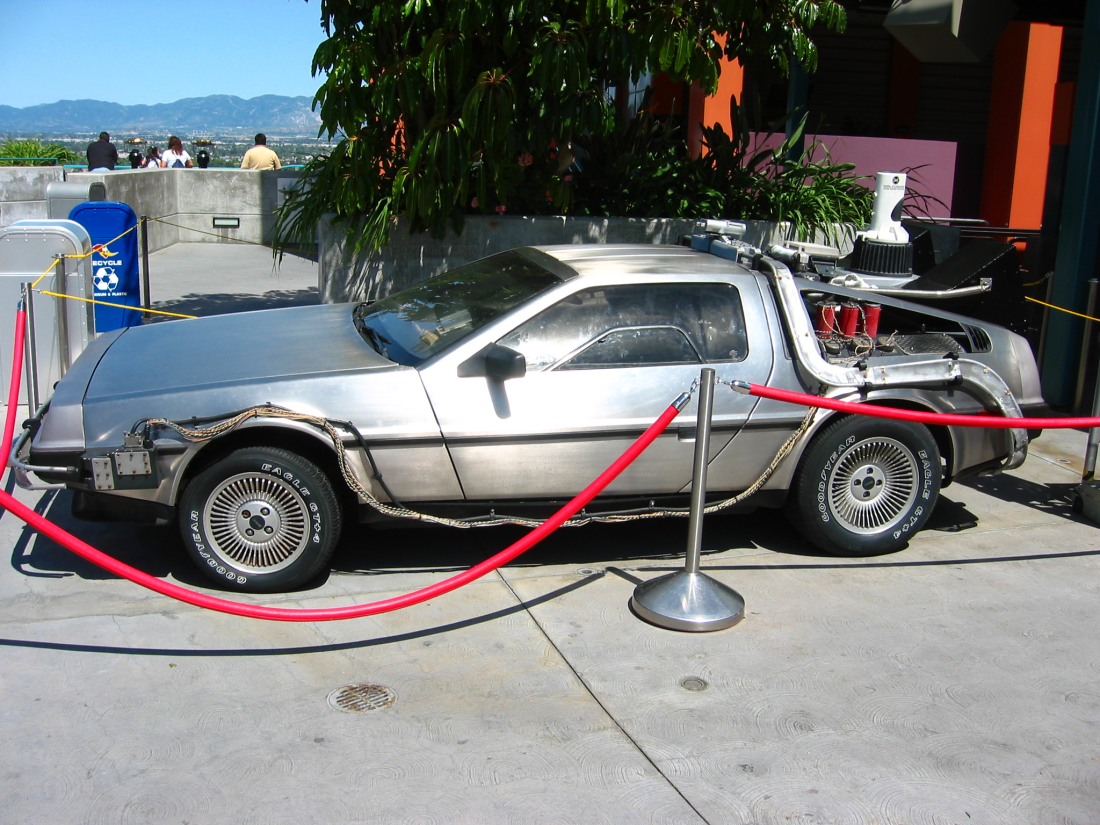
The movie below is an example of the Inversion and Discrete – Continuous operator when a continuous time made discrete and traversable back and forth.
- Film: Back to the Future (1985)
- The idea originally came from the book: The Time Machine by H.G. Wells (1895)
Anti-gravity
The idea below is based on the Method to change immutable things (Change what is usually considered unchangeable).
The concept was first introduced formally as “Cavorite” in H. G. Wells’ The First Men in the Moon (1901).

Capitan’s Log
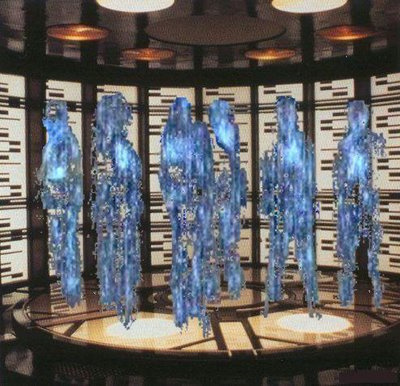
The idea below is based on the Segmentation-Unification operator when an object is segmented into atoms and then assembled into a whole again.
- Teleportation is the transfer of matter from one point to another, more or less instantaneously.
- The word “teleportation” was coined in 1939 by American writer Charles Fort to describe the strange disappearances and appearances of anomalies, which he suggested may be connected.
- Achieved by physicists in 1997.






 ScienceAppliedForGood