Understand the system. How does fasting work?

Why is it 16 hours long fast mostly useless?

If you fast without knowing how it works then you probably are doing the infamous 16 hours long fast (aka 16:8).

Moreover, if you fast 16:8, but haven’t changed what you eat then it’s almost certainly that you won’t lose much weight.

The are a couple of issues with this mechanistic approach to fasting.

Without knowing how it works you do not have a true motivation to succeed, and you don’t know what to tweak to influence your progress.

But the main issue has to do with the food you eat.

First, let’s look at some physiological facts.

1. When you eat sugar, starchy food, drink sugary drinks, generally eating processed food the carbohydrates in it are stored in the body as glycogen.

On average body stores about 600 grams of it, mostly in muscles (~80 %) and the rest in the liver.

2. On average adult requires about 2500 calories (kcal) a day.

Now, let’s do some calculation:

1. How much calories our body needs an hour: 2500 cal / 24 hours ~ 105 cal an hour.

2. Since glycogen is a carb and 1 gram of carb contains 4 calories of energy, then how much energy is stored in the glycogen in the body?

600 grams * 4 cal = 2400 cal!

3. To burn this energy you need 2400 cal / 100 cal an hour = 24 hours

Do you see what’s going on here? It means that to be able to burn all the stored glycogen in the body you need about 24 hours!

It means that doing 16 hours long fast won’t cause your body to switch to burning fat at all within that time frame.

Now, let’s understand why it’s important to change what you eat

As, soon as you stop eating sugar, drink sugary drinks and stop eating bakery, pasta etc. Insulin hormone level will go down in your body which will signal to your body to switch to use fat as an energy source.

But before this can happen you body will first use glycogen stored in muscle and the liver.

As we said, at most it can store 600 grams, but if you changed what you eat this amount would be much smaller, let’s say 300 grams.

It means 300 gram * 4 calories = 1200 calories. And if you burn 100 calories an hour, it means that you need only about 12 hours of fasting for your body to switch to fat burning mode.

Now there you have it

Doing blindly 16 hours long fast possibly won’t help you lose much fat if you continue to eat sugar and starch containing food.

When you understand how fasting works you know what you are doing and can influence the process and the progress you make.

And lastly, on average 18 hours long fast is the least amount that can cause your body to switch to fat burning mode. It’s better to go for 19, 20 hours a day.

And do extended fasts from time to time.

Books that could change your health for better

These are good books to begin with when you start your Intermittent Fasting journey

  1. Fast. Feast. Repeat by Gin Stephens is the book for beginners on an Intermittent Fasting journey. It’s the book that started it all for me.
  2. Why We Get Sick by Benjamin Bikman is a must read if you want to really understand metabolic syndrome origins and what to do about it.
  3. The Complete Guide To Fasting by Jason Fung is the book that tells you everything there is to know about fasting. I review it from time to time it to this day.

Now that you’ve read first three books, below come additional three you couldn’t miss

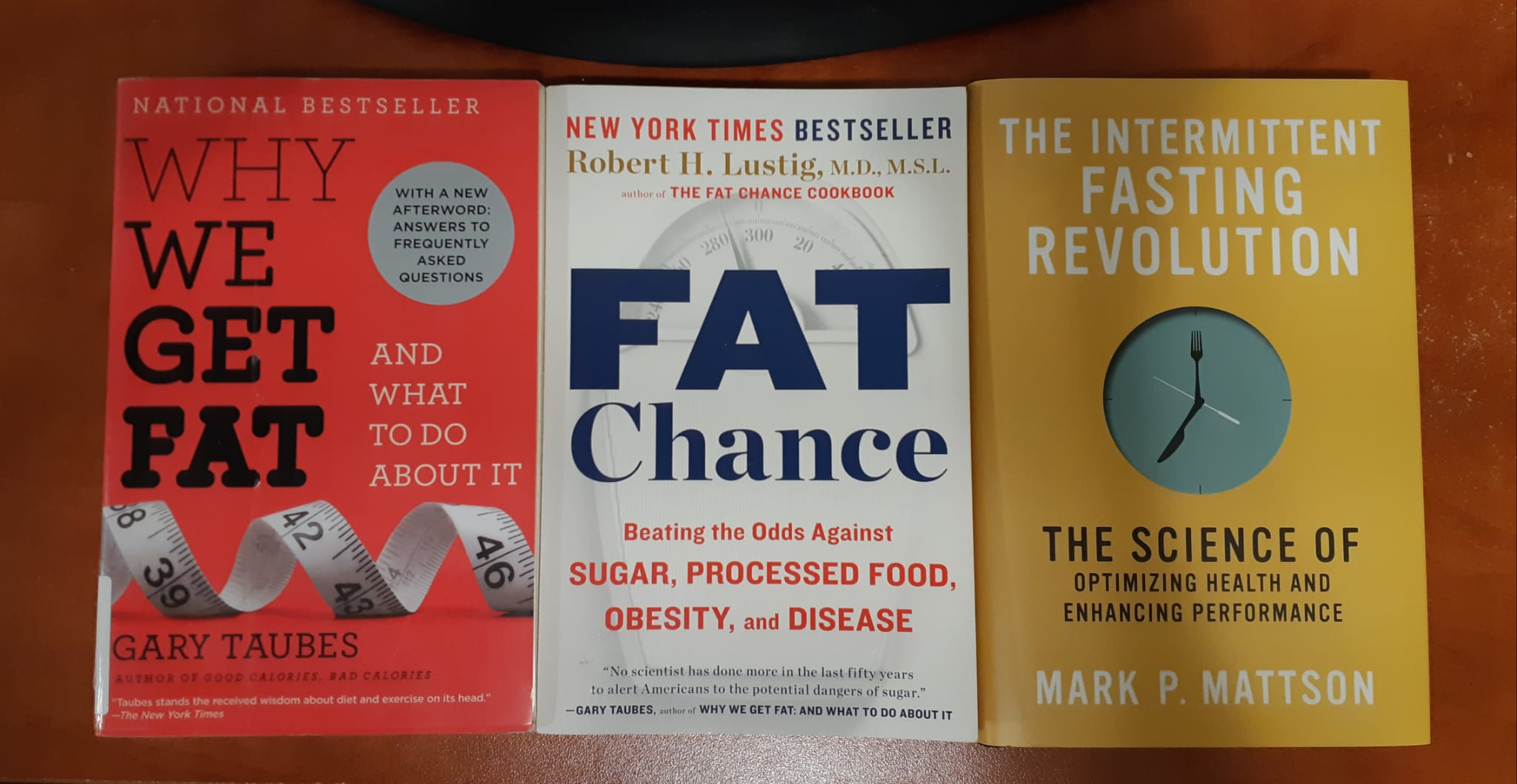
  1. Why We Get Fat by Gary Taubes tells you why the obesity and diabetes 2 are caused by sugar and starchy food.
  2. Fat Chance by Robert Lustig will teach you why we get fat from biological point of view. And fructose is poison.
  3. The Intermittent Fasting Revolution by Mark Mattson talks about evolutionary origins of fasting and delves into physiology of fasting. Mark fasts for mor than 30 years himself doing 18:6.

It’s time to delve a little bit into history of why sugar (fructose) is bad for you

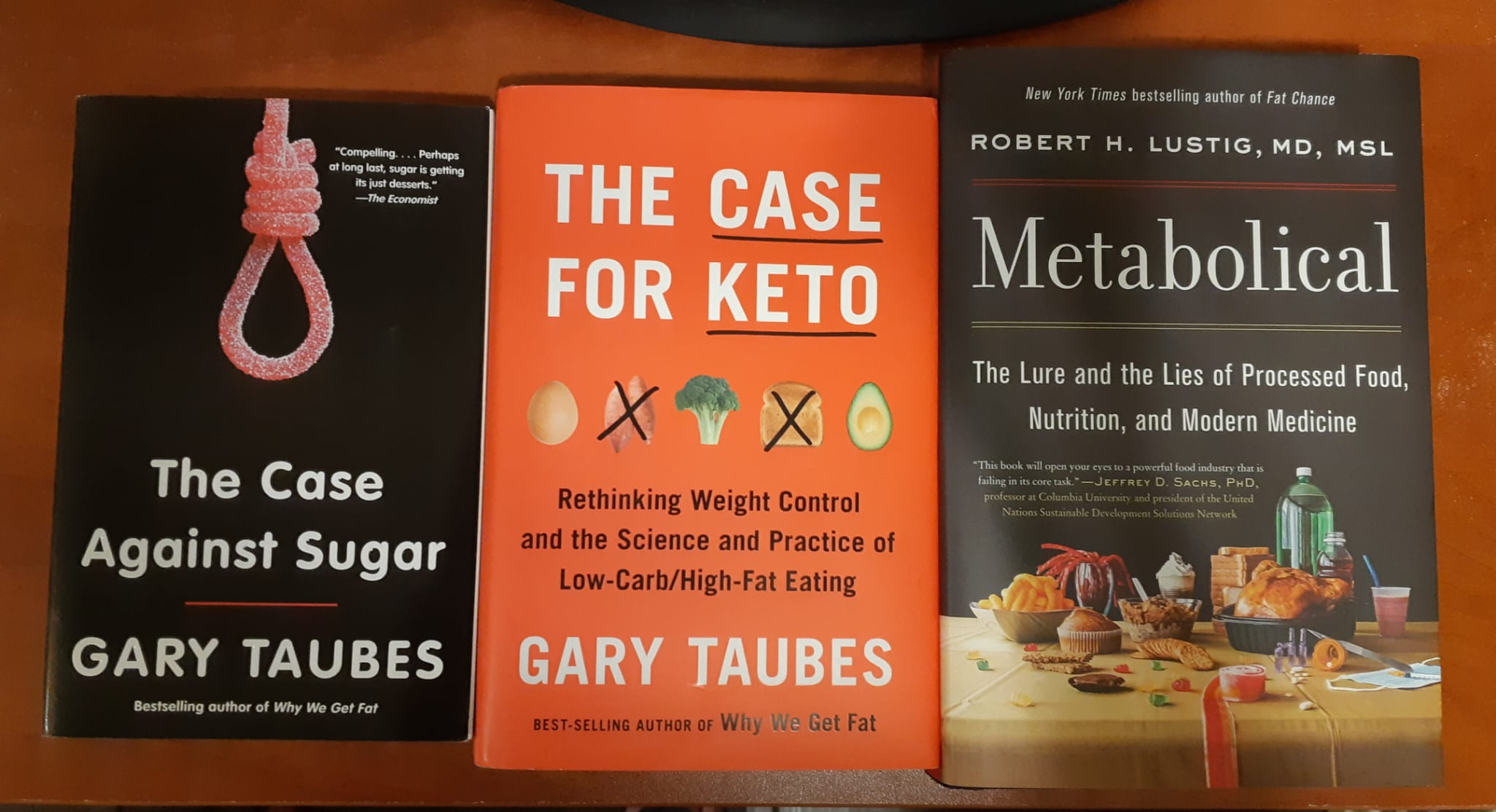
  1. The Case Against Sugar by Gary Taubes talks about history of sugar usage and why it’s the main cause of diabetes 2 and other diseases.
  2. The Case For Keto by Gary Taubes is an opposite of the book above.
  3. Metabolical by Robert Lustig looks at the obesity and metabolic syndrome in a systematic way and again highlights that sugar and particularly fructose is poison.

The books below will be helpful in applying practical advice to lose weight by fasting

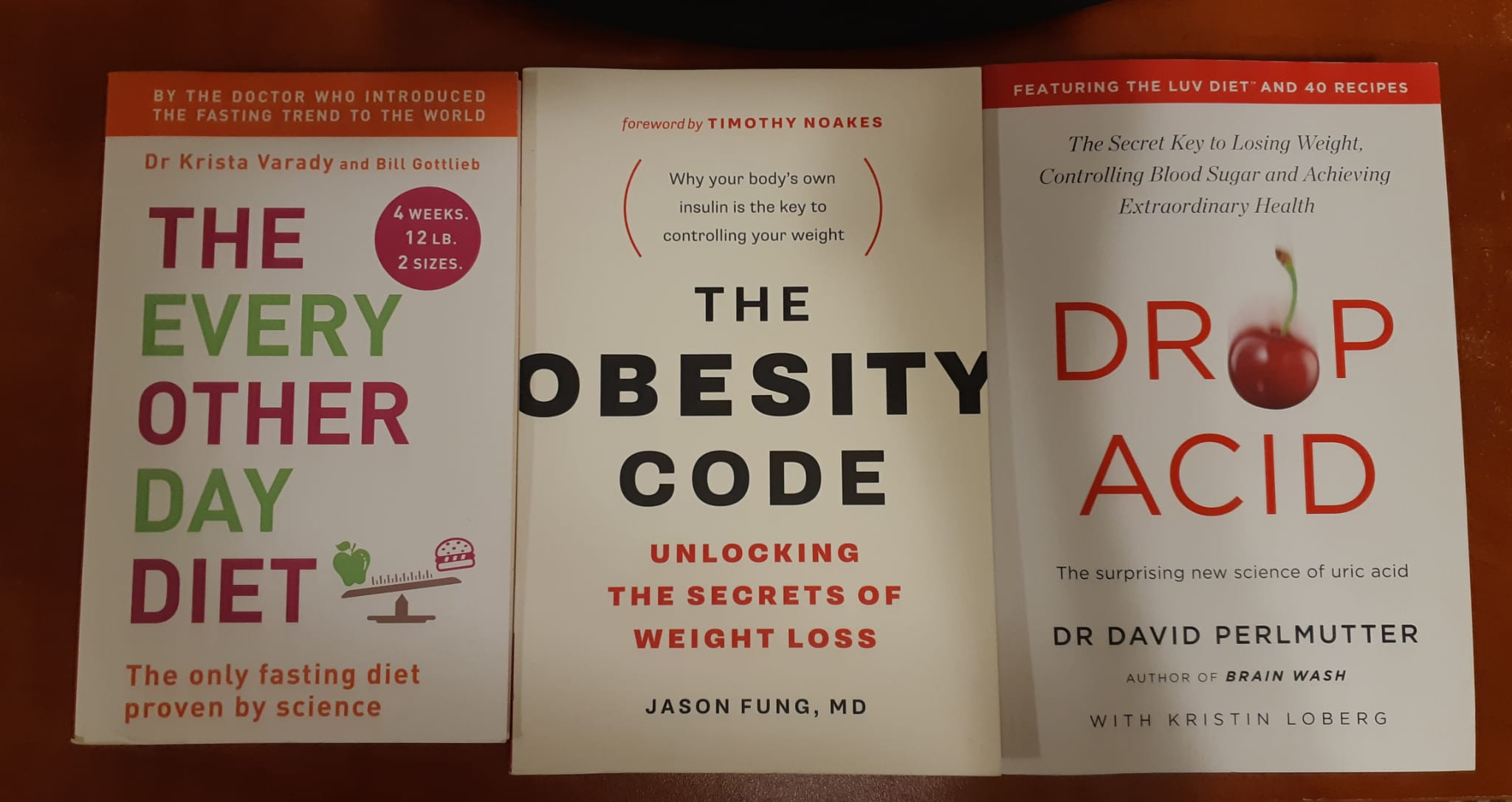
  1. The Every Other Day Diet by Krista Varady is dated, but still has good advice about alternate day fasting. Pay attention, that she is a representative of the flawed and wrong hypothesis of calories in equal calories out.
  2. The Obesity Code by Jason Fung will explain you why we get obese and what to do about it.
  3. Drop Acid by David Perlmutter explains why fructose is the main culprit behind elevated levels of uric acid which causes gout and what to do about it.

How to achieve a goal? A simple working algorithm

How to achieve a goal? A simple working algorithm


1. Set a goal with a deadline
2. Write a plan on how to get there
3. Track your progress daily
4. Consider sharing you goal publicly
5. Bet with someone

Now, to act on my own advice


1. I set a goal of getting a visible abs by August 30th 2023
2. My plan is to
2.1 Continue doing 18:6 intermittent fasting daily and walk in a fasted state
2.2 Do resistive training with dumbbells at least 3 times a week
2.3 Eat low-carb food and avoid processed food as much as possible

Finally, thank you for your support since you are my peer pressure.